PicoSure for Dark Spots: Why Identify the Pigment First?
Before PicoSure for visible pigmentation, distinguish the pattern and history of the spots, and plan sun care and follow-up.
Published by Beauty Blossom

Two brown patches can look similar in a phone photograph while differing in how they developed, how long they have been present and how their edges appear on examination. Picking a laser mode from the colour alone can skip the most important step: deciding what the spot may be and whether a cosmetic laser is appropriate at all.
Beauty Blossom Clinic describes PicoSure as a 755 nm Alexandrite picosecond laser and lists several pigmentation-related uses. That is a description of a device and its possible applications. It is not a diagnosis of your spot or a promise that one pass will clear it.
Short answer: Start with an assessment of the particular mark and surrounding skin. Tell the clinician when it appeared, whether it changes, which treatments you have already tried and how much sun exposure is expected. The type and depth of pigment, skin condition and diagnostic uncertainty should be discussed before choosing a PicoSure approach or deciding not to use a cosmetic laser.
Why does a “dark spot” need more than a colour label?
A freckle-like spot, diffuse patch, mark left after inflammation and a changing pigmented lesion can all look brown. They should not be lumped together for laser planning. Describe its location, size, border and timeline, including any change in colour, shape, bleeding or other symptoms. A concerning or changing lesion needs proper medical assessment rather than a cosmetic treatment assumption.
The clinic page mentions freckles, spots and melasma in discussing PicoSure. These terms refer to different presentations; an online list cannot identify which applies to you. Bring previous diagnosis, medication history and records of earlier treatments if you have them. If a mark appeared after acne or irritation, that history matters as much as the current shade.
What can the PicoSure name tell you, and what can it not?
The clinic describes a picosecond 755 nm Alexandrite laser and discusses toning, focus and more targeted approaches on its page. The device can deliver very short pulses, but the brand name alone does not select a mode, treatment boundary or number of visits. A laser may be inappropriate for a lesion that needs diagnostic review.
Ask which visible feature the clinician is targeting and how they distinguish a superficial-looking spot from a deeper or mixed pattern. Request an explanation of what would be monitored between visits. Avoid promises about “safe for every skin” or comparisons claiming that one wavelength always has fewer side effects; individual skin responses and the actual setting matter.
How do sun habits affect the discussion?
Tell the team about a recent beach trip, outdoor work, tanning, a sunburn or an upcoming sunny holiday. Sun exposure may change the skin’s condition and complicate interpretation of a pigment change after treatment. If you regularly use sunscreen, describe how often you reapply it rather than answering simply yes or no.
Ask the clinic for sun-protection instructions appropriate to your skin and proposed procedure, including when to resume active skin products. The clinic emphasizes sunscreen after PicoSure. That advice is not a guarantee that a spot will not recur. If your schedule makes aftercare difficult, discuss timing before any laser is booked.
What does an honest follow-up plan look like?
Agree on which spot or region is being followed and when the clinician wants to reassess it. Use comparable photographs only if the clinic recommends them; changes in lighting and exposure make casual phone comparisons unreliable. A temporary crust, redness or altered pigment may need monitoring rather than extra treatment immediately.
Ask what discomfort and visible reaction are possible with the proposed mode, which signs call for prompt contact, and what alternatives exist if the assessment remains uncertain. The clinic page lists general session estimates, but these do not fix your number or timing. A discussion of expected limits is more useful than a fixed package count.
Questions to bring to your consultation
- What is the working assessment of this specific mark, and is any diagnostic review needed?
- Which PicoSure approach, if any, is being considered for the exact area?
- How should I plan sun protection and skin-product use around treatment?
- When should the area be reassessed, and which changes need urgent contact?
Caution: Temporary redness, crusting, irritation or pigment changes may occur with laser treatment. A new or changing lesion should be medically evaluated rather than treated as an ordinary cosmetic spot. Contact the clinic if you notice unexpected or worsening symptoms.
Frequently asked questions
Will PicoSure clear every brown mark?
No. The appearance, diagnosis and suitability of a pigmented lesion require individual assessment. Some marks need a different approach or no cosmetic laser.
Can I choose a treatment mode from a photograph?
No. A photograph cannot reliably establish pigment depth, diagnosis or the safest settings. An in-person evaluation is needed.
If the spot looks lighter, can I stop sunscreen?
Sun protection remains an important part of the clinic’s aftercare discussion. Ask for instructions suited to your skin and exposure, without assuming a permanent result.
Visit Beauty Blossom Clinic in Seoul
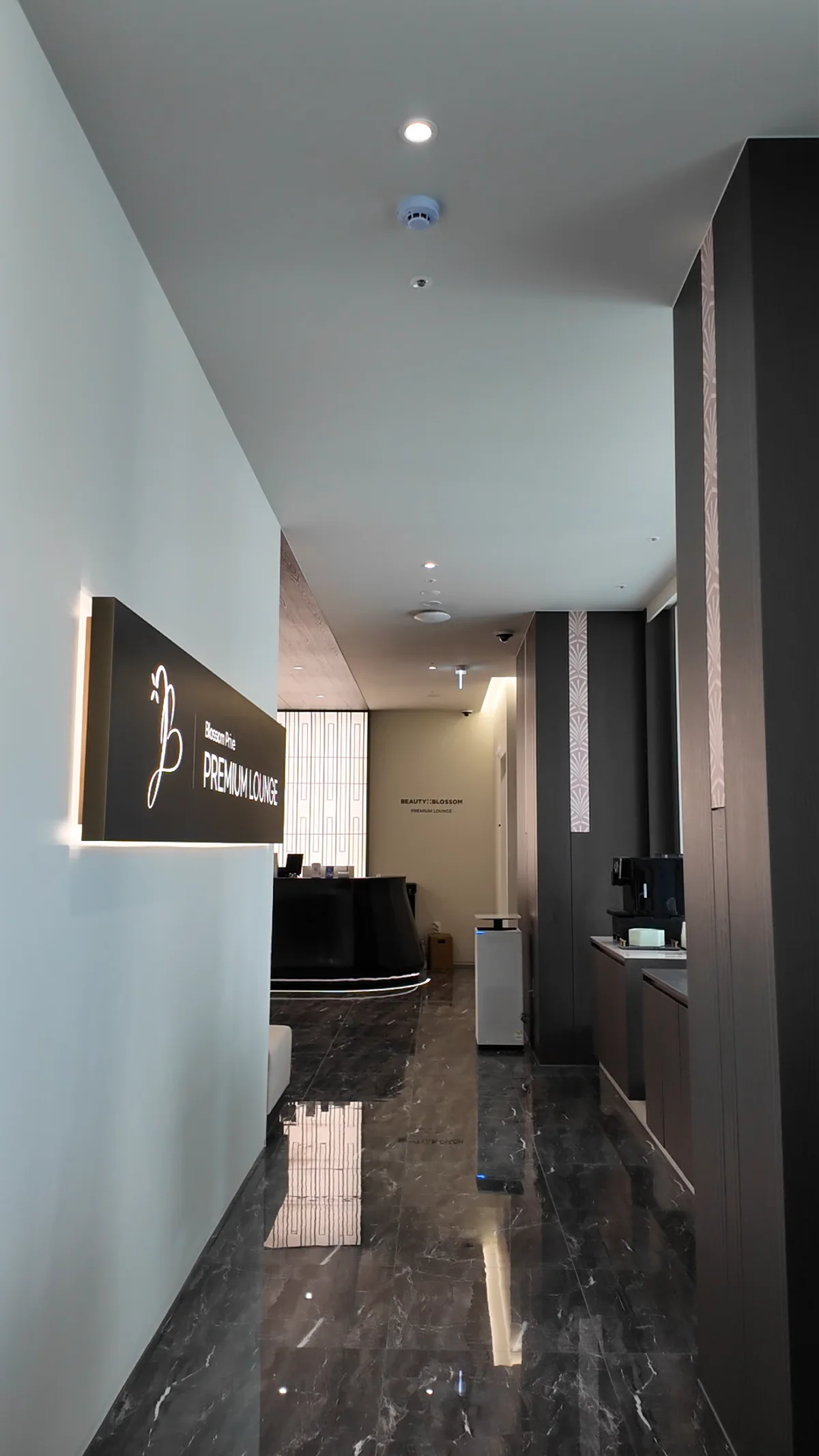
Beauty Blossom Clinic is at Mediwon Medical Center, 66 Yanghwa-ro, Mapo-gu, Seoul, on the sixth and eighth floors. Reception is on the sixth floor, directly by Hapjeong Station Exit 3. See the map and directions. Before deciding on a procedure, bring your medical history, a clear description of the area that concerns you and any questions about alternative care.
For more details, read the clinic treatment page and Read clinic notices and request a consultation. View the events page or return to the clinic homepage. Event availability, appointment length and suitability must be confirmed with the clinic; this article does not quote a price or guarantee an offer.
This article provides general information, not an individual diagnosis or treatment plan. Suitability, treatment experience, recovery and results differ. Discuss potential benefits, limitations and risks with a qualified treating clinician.
Location
Beauty Blossom Clinic
Mediwon Medical Center, 66 Yanghwa-ro, Mapo-gu, Seoul, South Korea (reception: 6F)
Individual results may vary.
Back to Blog →