Calf ONDA in Seoul: What Should a Consultation Cover?
How to distinguish a calf contour concern from muscle shape or swelling when discussing ONDA suitability.
Published by Beauty Blossom · Updated
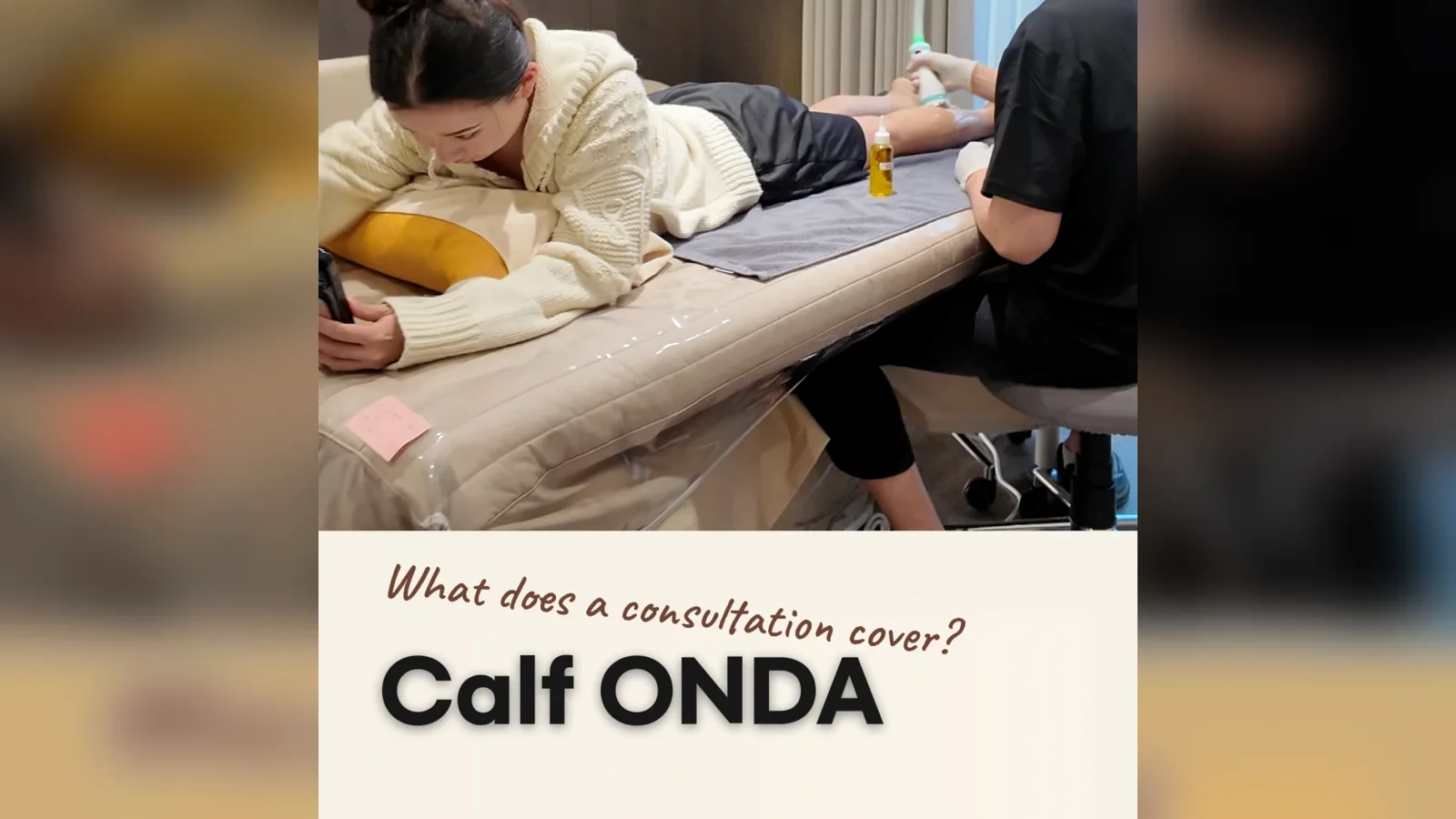
“My calves look bulky” can mean a firm shape that changes on tiptoe, a softer layer in one section, or fullness that appears later in the day. Those observations have different possible explanations. It is more useful to describe when and where the change occurs than to choose a device session from a photograph.
Short answer: A calf ONDA consultation should identify the precise area, compare both legs and consider whether muscle shape, subcutaneous tissue or swelling explains the concern. A clinician should assess suitability before discussing a treatment zone. ONDA should not be presented as a direct calf-muscle reduction procedure.
What is ONDA, and why assess calves separately?
ONDA is an energy-based device using microwave technology called Coolwaves. Beauty Blossom Clinic’s body information describes its use in relation to skin and subcutaneous tissue, with surface contact cooling. These are general device descriptions, not proof that a particular calf shape will respond or that every part of the lower leg is suitable.
The calf muscle changes shape when you rise onto your toes. A concern that is mainly muscular is not the same as a softer area under the skin. Swelling can also change during the day and may warrant a medical assessment rather than cosmetic treatment. The person examining you should explain what tissue and boundary are being considered and what the device is not expected to address.
How should I describe the lower-leg area?
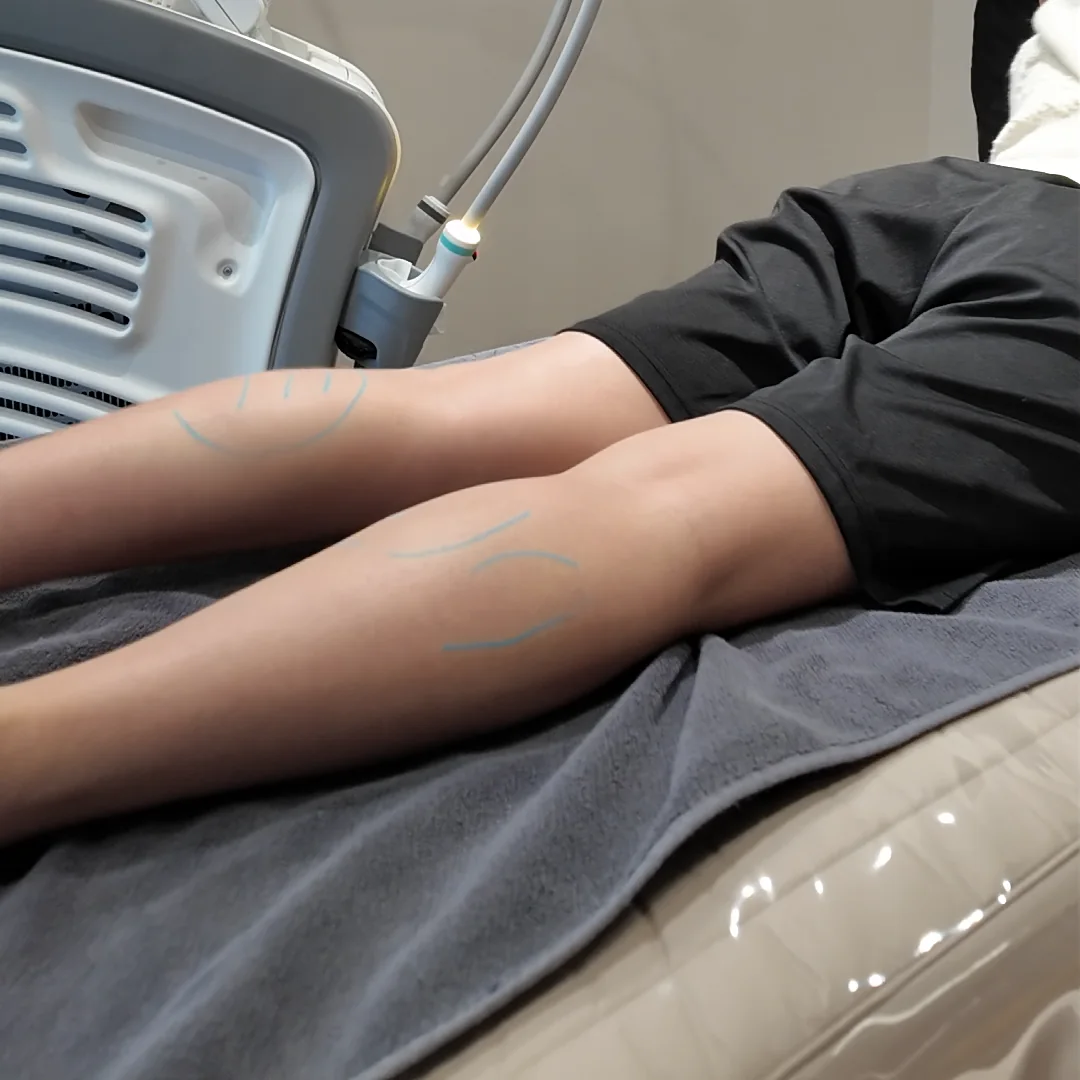
Point to the inner calf, outer calf, area below the knee or lower contour near the ankle, whichever actually bothers you. Note whether the fullness is present in the morning, after standing or sitting, or when flexing the foot. Mention whether it affects both legs similarly. This record helps a clinician assess the issue; it is not a way to diagnose yourself at home.
If a side recently changed, say so rather than requesting matching treatment on both legs. Morning and evening photographs in similar lighting can communicate fluctuation, but pictures cannot establish the cause. Ask whether a medical evaluation should precede any aesthetic plan.
What should an area map and device discussion cover?
Ask the team to show the proposed section and its limits on each leg. The lower leg narrows and curves, so “both calves” is not a precise instruction. Skin condition, tissue characteristics and structures beneath the intended area matter to the assessment. Device handpiece and settings should be selected for an individual and an examined location, not copied from a general page or a recorded session.
The source footage includes planning marks and an ONDA handpiece near a calf. These images illustrate a workflow only. They do not establish a standard number of passes, a treatment setting or an expected change for another visitor. Even if both calves are discussed, their proposed zones need not be identical.

Consultation checklist
- Describe when the concern began, which side is affected and whether fullness fluctuates during the day.
- Share relevant medical conditions, previous leg treatments, medicines and implanted devices with the treating team.
- Mention wounds, irritation, inflammation or unusual sensitivity in the proposed area.
- Ask which tissue is being assessed, where the treatment would stop and whether another evaluation is more appropriate.
- Discuss flights, sports, long walks and other near-term plans, then confirm expected aftercare and a contact route.
The clinic’s general ONDA pages give different time descriptions. Ask for an individualized appointment estimate and any proposed follow-up only after the area has been assessed. Do not book a series assuming that a muscular contour or changing swelling will respond.
Caution: New, painful or one-sided calf swelling, significant redness or warmth, and symptoms such as chest pain or breathlessness call for prompt medical attention, not a cosmetic appointment. During a device session, report uncomfortable heat or unusual sensations immediately. Contact the treating clinic about unexpected skin reactions.
Frequently asked questions
Can ONDA directly shrink a muscular calf?
The clinic describes ONDA body use in relation to skin and subcutaneous tissue, not direct reduction of the calf muscle. The cause of a contour should be assessed first.
Does evening fullness mean I need ONDA?
No. Fluctuating fullness can have different causes. Describe the pattern and ask whether a medical assessment is needed before a cosmetic discussion.
Should both calves receive an identical plan?
Not automatically. Each leg, its symptoms, tissue and precise proposed zone should be reviewed individually.
Visit Beauty Blossom Clinic in Seoul
Beauty Blossom Clinic is at Mediwon Medical Center, 66 Yanghwa-ro, Mapo-gu, Seoul, South Korea (reception: 6F). It is near Hapjeong Station Exit 3. To discuss whether the area and approach are appropriate for you, review the clinic information and request a consultation. You can also use the map and directions. Share your medical history and questions before any treatment decision.
This article provides general information, not an individual diagnosis or treatment plan. Suitability, experience and results vary from person to person; discuss your circumstances, risks and alternatives with the treating clinician.
Location
Beauty Blossom Clinic
Mediwon Medical Center, 66 Yanghwa-ro, Mapo-gu, Seoul, South Korea (reception: 6F)
Individual results may vary.
Back to Blog →