Sofwave and the Cheek Area: What to Ask About Comfort and Planning
Before a Sofwave consultation, describe exactly where in the cheek you notice a change and ask how the handpiece, comfort and aftercare will be handled.
Published by Beauty Blossom
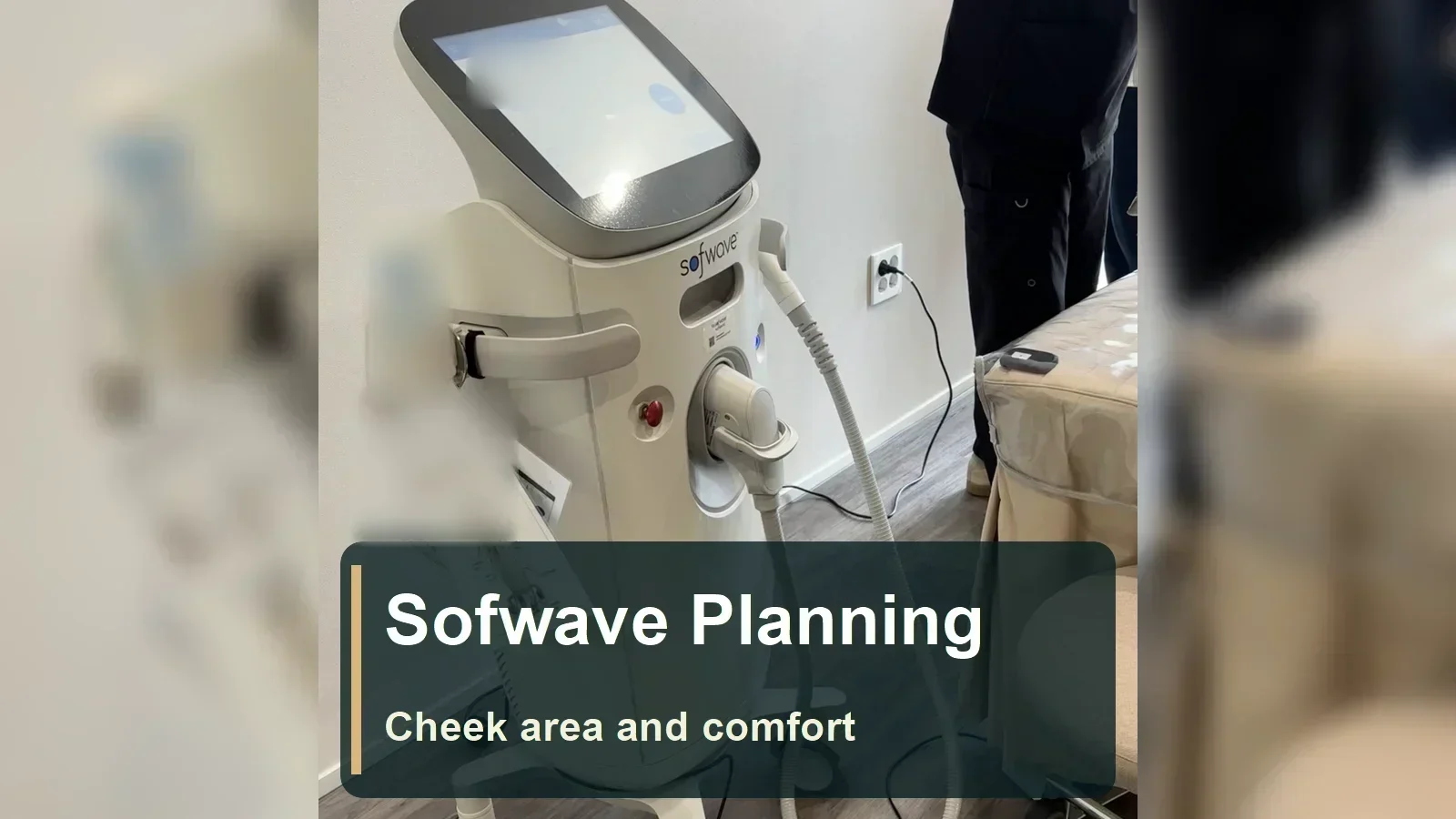
“Lift my cheeks” can mean several different things. For one person it is the mid-cheek that looks flatter by evening; for another it is the softer line near the jaw, or the fold running from nose to mouth. Before a Sofwave consultation, it helps to decide which of these you actually mean and how you would like to feel during the visit. A clear description gives the clinician something to assess, instead of a general request.
This guide is about the cheek area only. It does not cover the neck, and it does not predict how any individual face will respond.
Short answer: Describe where in the cheek you see the change, show what you notice in everyday light, and ask how the handpiece will be used over those curved areas. Beauty Blossom Clinic’s page presents Sofwave as an ultrasound-based lifting treatment with a cooling system, but comfort, suitable areas and expectations still depend on your own assessment.
Which part of my cheek should I point to?
Point to the exact area and say when you notice it. Mid-cheek, lower cheek near the jaw, the area beside the nose and mouth, and the zone in front of the ear are not interchangeable. A change that appears when you smile is a different observation from one you see when your face is relaxed. If you can, bring two or three ordinary photographs taken in similar light, and avoid heavily filtered pictures.
The clinic page lists the cheeks among the areas where Sofwave may be considered, and it describes treatment as customised by area. Treat that as a reason to ask questions, not as a menu: which areas does the clinician think are relevant to your concern, and which would be left alone?
What should I ask about the handpiece on a curved area like the cheek?
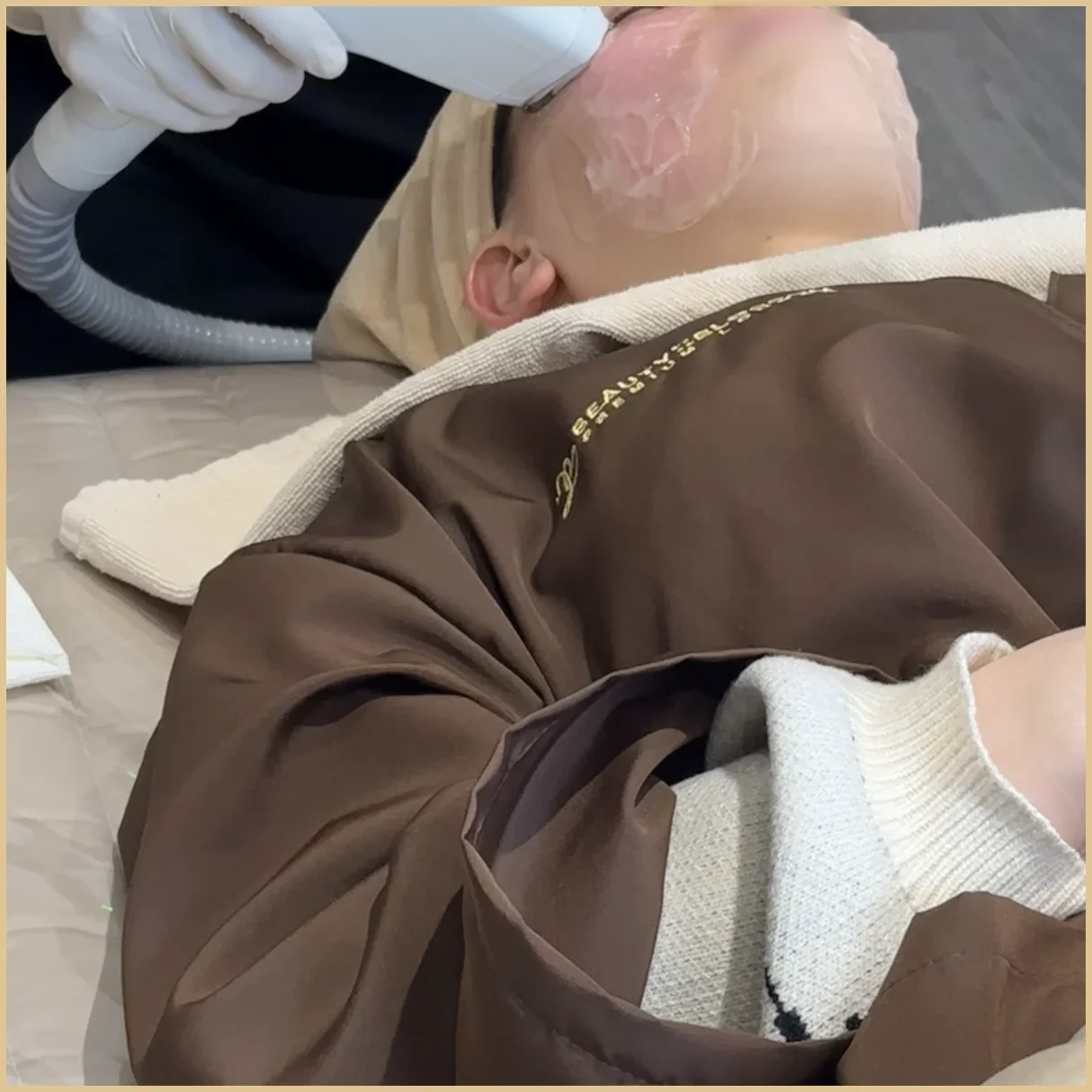
Ask how the handpiece will move across your particular contours. The cheek includes the cheekbone, softer tissue and the edge near the jaw and ear. The clinic describes a device with several transducers and a cooling function, but it is more useful to hear how the clinician plans to work around your own bone structure and sensitive spots.
You could ask whether any area will be approached more cautiously, how the clinician checks the skin during treatment, and whether you will be able to speak up if something feels different. If you have dental work, fillers, threads or other implants in the face, mention them before the plan is finalised.
How can I talk about comfort without expecting a fixed answer?
Tell the team what bothers you most, then ask what is planned for it. The clinic page says the cooling system helps keep the experience comfortable and that sensation varies from person to person. That is a reasonable starting point, but it is not a pain score. Warmth, pressure or sharper moments over bony areas may feel different from one person to another.
Ask whether numbing cream will be used, what you should do if the sensation becomes too strong, and whether the plan can be adjusted. If you are anxious about procedures in general, say so at the start. Do not treat a reassuring phrase on a website as a substitute for your clinician’s explanation on the day.
Which cheek concern should I mention, and what can I ask?
The table below is only a conversation aid. It does not assign a treatment to a concern.
| What you notice | What to say | Question to ask |
|---|---|---|
| The mid-cheek looks flatter in photos | Which side, which lighting, and whether it changes when you smile | Is this the area being considered, and what would be left untreated? |
| Softness near the jaw | Where the change starts and whether it feels tight or loose | How does the plan treat the jaw edge compared with the cheek? |
| A fold beside the nose and mouth | Whether it bothers you at rest or only in expression | Which concerns can this approach address, and which may need a different discussion? |
| Sensitive or bony spots | Where discomfort has bothered you before | What comfort steps are planned, and how do I signal that I need a pause? |
| A near-term event or trip | The exact date and your schedule | What should I avoid, and when should I contact the clinic about a change? |
What history should I share before cheek treatment?
Share anything that changes how the skin or tissue should be assessed. That includes facial fillers, threads, previous energy-based treatments, recent procedures, active acne, cold sores, rashes or irritated skin, and any history of unusual reactions. Also mention pregnancy, electronic medical devices, regular medicines and supplements, and whether you tend to bruise or flush easily.
Your clinician may adjust the plan, postpone it or decide that another option fits better. That is a normal outcome of an assessment, not a failure to be chosen for treatment.
What should I plan for afterward?
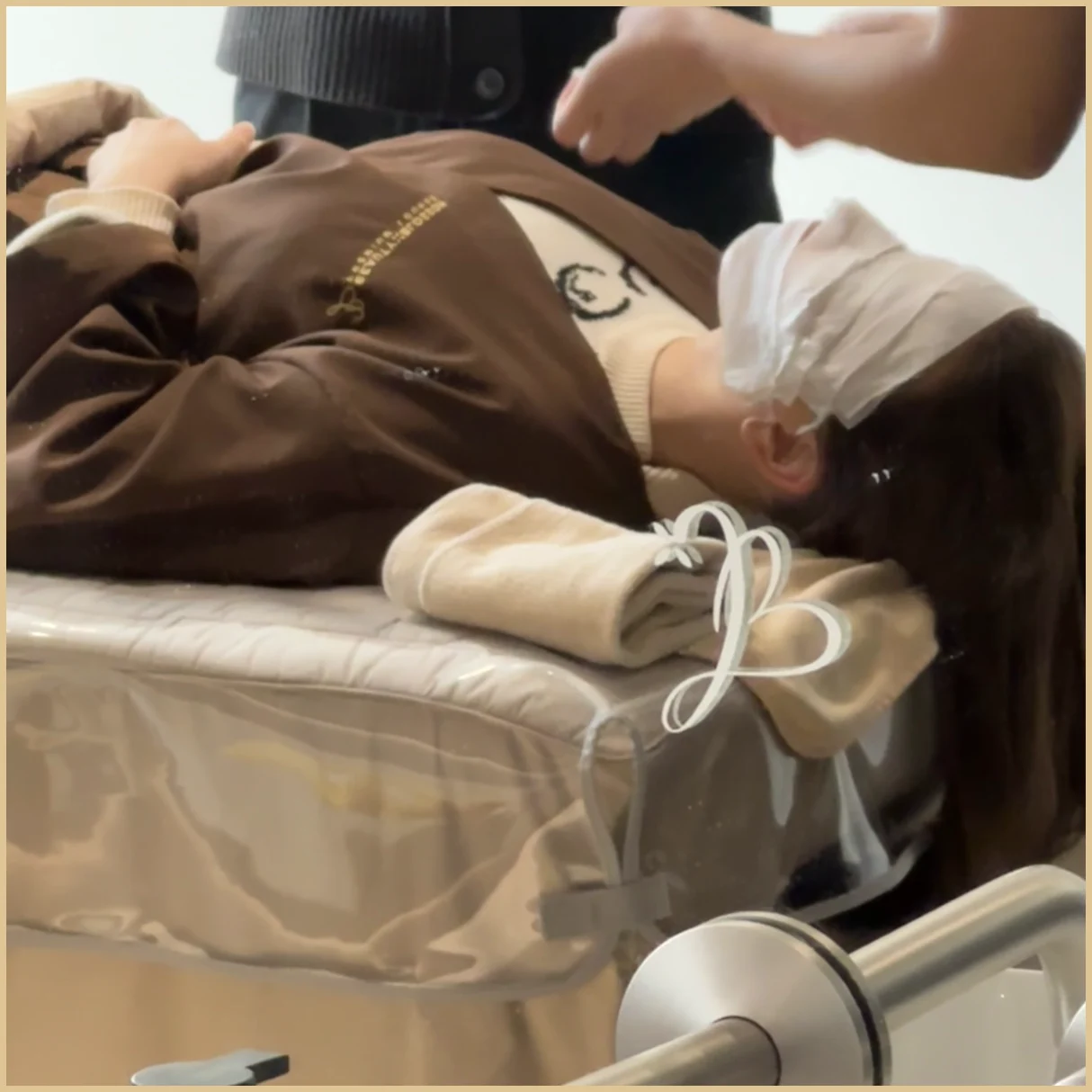
Ask for aftercare in writing and plan some flexibility around the day. The clinic page describes a quick return to daily life, but individual skin can look warm, feel tender or behave differently. Ask how to cleanse, whether makeup is acceptable that day, what to do about sun exposure, and when to contact the team.
If you have a photo shoot, trip or event, tell the clinic the date beforehand. Do not assume the timing of any change; the clinic page notes that responses vary.
Caution: Increasing pain, blistering, spreading redness, marked swelling or any change that worries you should be reported promptly. Breathing difficulty or a rapidly worsening reaction needs emergency care. Do not diagnose a reaction from online photographs.
Frequently asked questions
Is Sofwave only for the neck?
No. The clinic page lists several facial areas, including the cheeks. Which areas make sense for you has to be decided at an assessment.
Will the cooling system make the treatment painless?
Not necessarily. The clinic describes a cooling function and says sensation varies. Ask what comfort measures are planned and what happens if you need a pause.
Can I send photos instead of coming in?
Photos can help you describe what you notice, but they cannot replace an in-person examination of your skin, structure and history.
Can a treatment video tell me whether Sofwave suits my concern?
No. A video can show what a handpiece looks like, but not assess your skin or history. Use the consultation to compare alternatives, limitations, recovery and the option of not treating.
Where can I discuss this in person?
Beauty Blossom Clinic is at Mediwon Medical Center, 66 Yanghwa-ro, Mapo-gu, Seoul. Reception is on the sixth floor, by Hapjeong Station Exit 3. Bring your photographs, a list of previous treatments and medicines, and the questions above. View the location map; read the clinic’s treatment information; check notices; ask about booking; check current events; or visit the homepage. Check opening hours and event terms directly with the clinic.
Medical notice: This is general information, not an individual diagnosis or a promise of suitability or results. A clinician should review your history, alternatives, recovery and risks; responses vary among individuals.
Location
Beauty Blossom Clinic
Mediwon Medical Center, 66 Yanghwa-ro, Mapo-gu, Seoul, South Korea (reception: 6F)
Individual results may vary.
Back to Blog →