Shoulder Filler in Seoul: How Is the Treatment Area Planned?
A practical guide to mapping the shoulder contour from several views before discussing whether filler is appropriate.
Published by Beauty Blossom
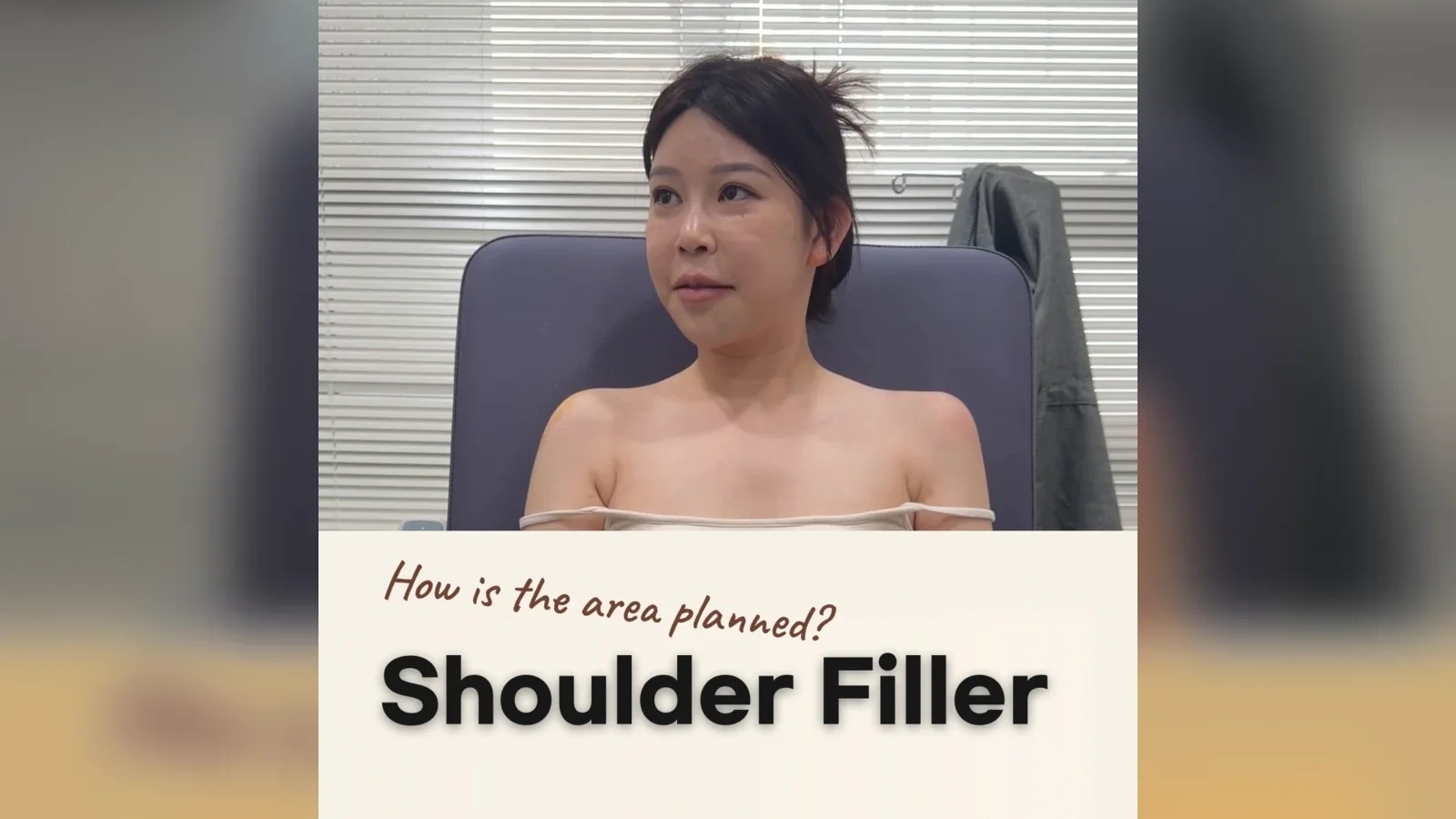
“Shoulder filler” sounds like a single small area, but the outline changes from front to side to back. Someone may notice the outer edge, a transition near the collarbone, or a dip behind the shoulder. A photograph can help communicate that observation, but it cannot decide where an injection belongs.
Short answer: First identify the contour that concerns you, review it from several angles and discuss bone shape, muscle and posture. Only then can a clinician assess whether adding volume to any selected area is appropriate. The consultation should also make clear what will be left untreated.
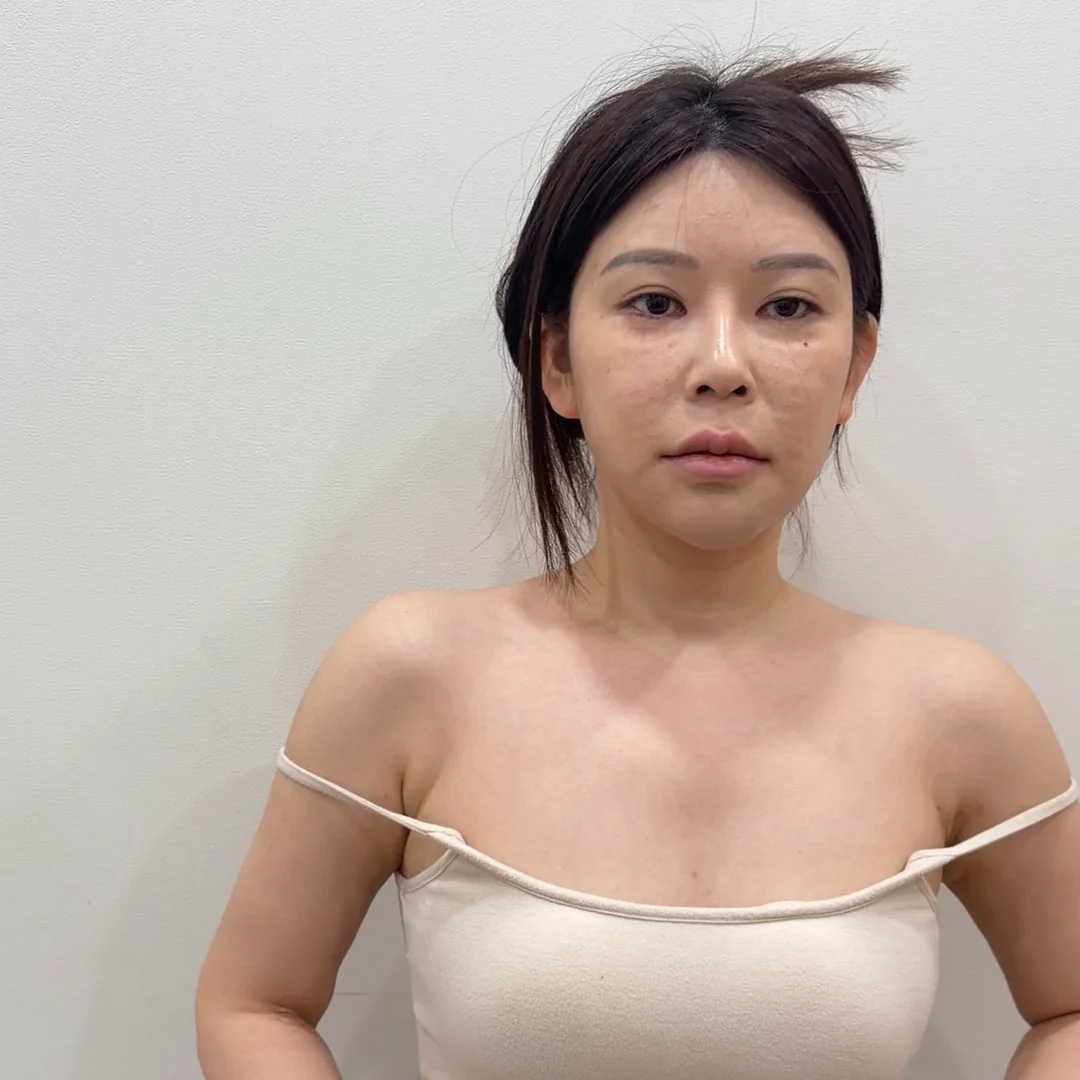
What does the shoulder area include?
The collarbone meets the outer shoulder, the deltoid muscle wraps around its outside and the line toward the neck changes the rear profile. A shoulder that appears angular in one pose may look different when the arms relax. Natural left-right differences are also common and do not automatically need correction.
Beauty Blossom Clinic describes shoulder filler as volume added to selected portions of the shoulder line. Its clinic information mentions the outer deltoid, front and back of the shoulder, possible collarbone-line extension and upper-scapular surroundings. These are possible discussion zones, not a recommendation to inject all of them. Ask the clinician to point to the exact boundary on your own shoulder.
Which views should guide an area discussion?
Tell the team when you notice the contour: while standing at rest, turning sideways, wearing a sleeveless top, or only in photographs. A front view shows the collarbone-to-shoulder transition; a side view shows the front-to-back profile; a back view shows the upper-back slope. Compare both sides without treating a mirrored photograph as an anatomical measurement.
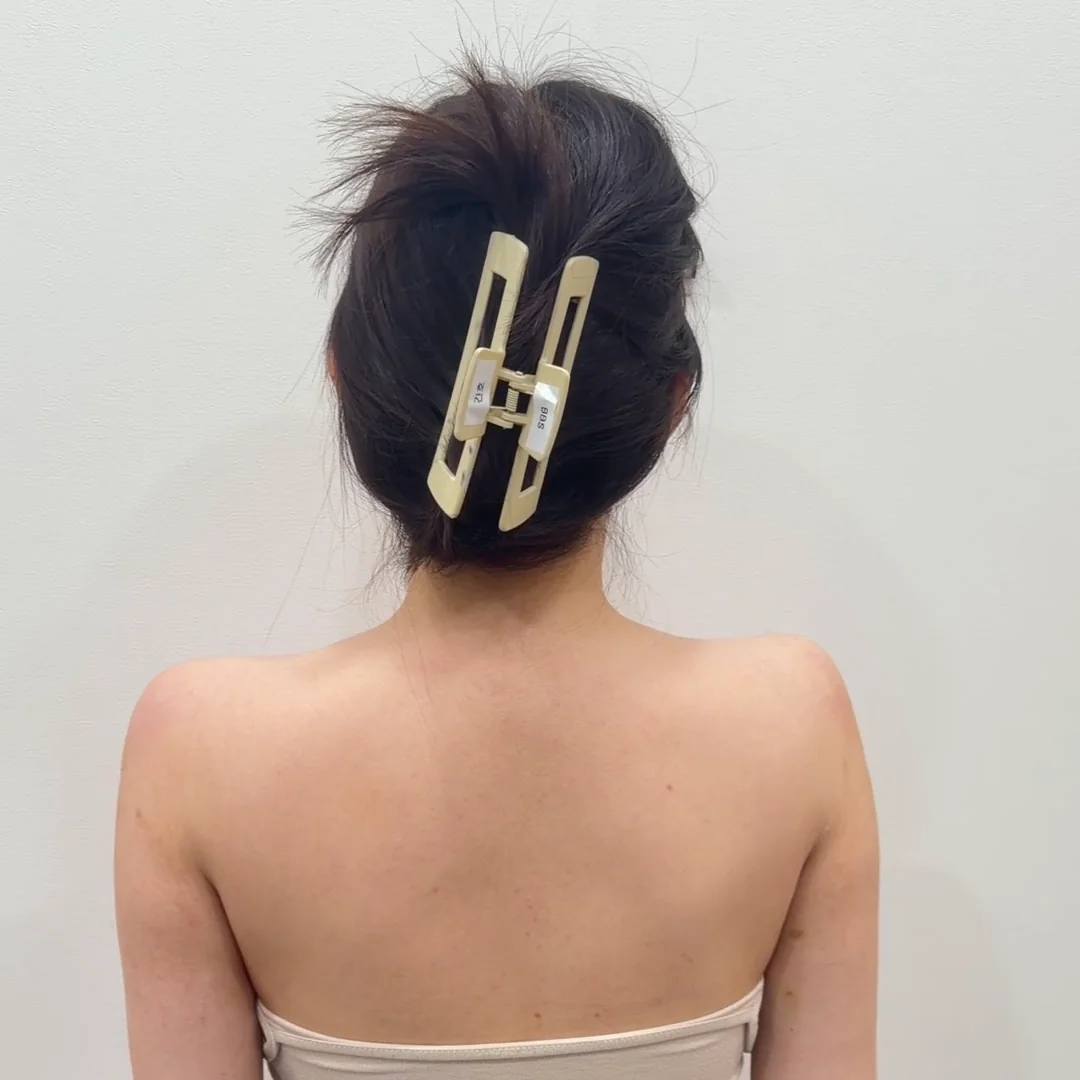
A useful description is “I notice a hollow behind my right shoulder when I turn,” rather than “I need a straight shoulder.” Bring one or two ordinary photographs if they help, but expect the clinician to check posture and movement in person. Ask how the appearance changes when your shoulders roll forward or your arms move.
How do structure and treatment type affect the plan?
Filler adds volume; it does not reshape bone. Muscle activity and posture can alter an outline without a volume deficit. A muscle-focused injection has a different mechanism from filler, so a comparison of procedure names cannot establish which fits your concern. If the visible difference mainly reflects posture or muscle, adding volume may not address what you noticed.
Ask which tissue and visible edge are being discussed, what product is proposed and what the realistic limits are. A plan can cover a smaller zone than expected, or conclude that filler is not suitable. Do not infer the amount or placement from another person’s photos or from a generic map.
Consultation checklist
- Identify the view and specific dip, edge or transition that concerns you; mention which regions you would prefer not to change.
- Share previous filler or other injections near the shoulders, allergies, medicines and any unresolved symptoms from earlier procedures.
- Ask how both sides, bone, muscle, posture and skin will be assessed before marking an area.
- Confirm the product, anaesthetic approach, risks, aftercare and contact route for any concerning reaction.
- Tell the clinic about travel, exercise plans or an important event so timing can be discussed individually.
The source clinic page gives differing descriptions of appointment timing and anaesthetic approaches. Rather than relying on a fixed figure, ask the team what would apply to your case. An assessment is also a chance to clarify whether a different approach, or no procedure, better matches your priorities.
Caution: Bruising, swelling or soreness may occur after an injection. Follow the treating team’s instructions about pressure, exercise, sauna and alcohol. Contact the clinic promptly if pain, swelling or skin changes are severe, worsening or concerning. Do not diagnose a reaction from an online picture.
Frequently asked questions
Is the outer shoulder always the treatment area?
No. The clinic lists several possible shoulder-line zones. The area that matters, if any, depends on the concern and an individual physical assessment.
Can photos tell me how much filler I need?
No. Photos can show what you would like to discuss, but they cannot establish a product quantity or injection points. These are in-person clinical decisions.
Will the two shoulders look identical?
That should not be promised. Natural asymmetry, movement and posture remain relevant. Ask what can reasonably be considered and what would remain unchanged.
Visit Beauty Blossom Clinic in Seoul
Beauty Blossom Clinic is at Mediwon Medical Center, 66 Yanghwa-ro, Mapo-gu, Seoul, South Korea (reception: 6F). It is near Hapjeong Station Exit 3. To discuss whether the area and approach are appropriate for you, review the clinic information and request a consultation. You can also use the map and directions. Share your medical history and questions before any treatment decision.
This article provides general information, not an individual diagnosis or treatment plan. Suitability, experience and results vary from person to person; discuss your circumstances, risks and alternatives with the treating clinician.
Location
Beauty Blossom Clinic
Mediwon Medical Center, 66 Yanghwa-ro, Mapo-gu, Seoul, South Korea (reception: 6F)
Individual results may vary.
Back to Blog →