XERF Eye Area in Seoul: Tip Size and Eye Protection Questions
What to ask about contact-tip size, treatment boundaries and eye protection before eye-area XERF.
Published by Beauty Blossom · Updated
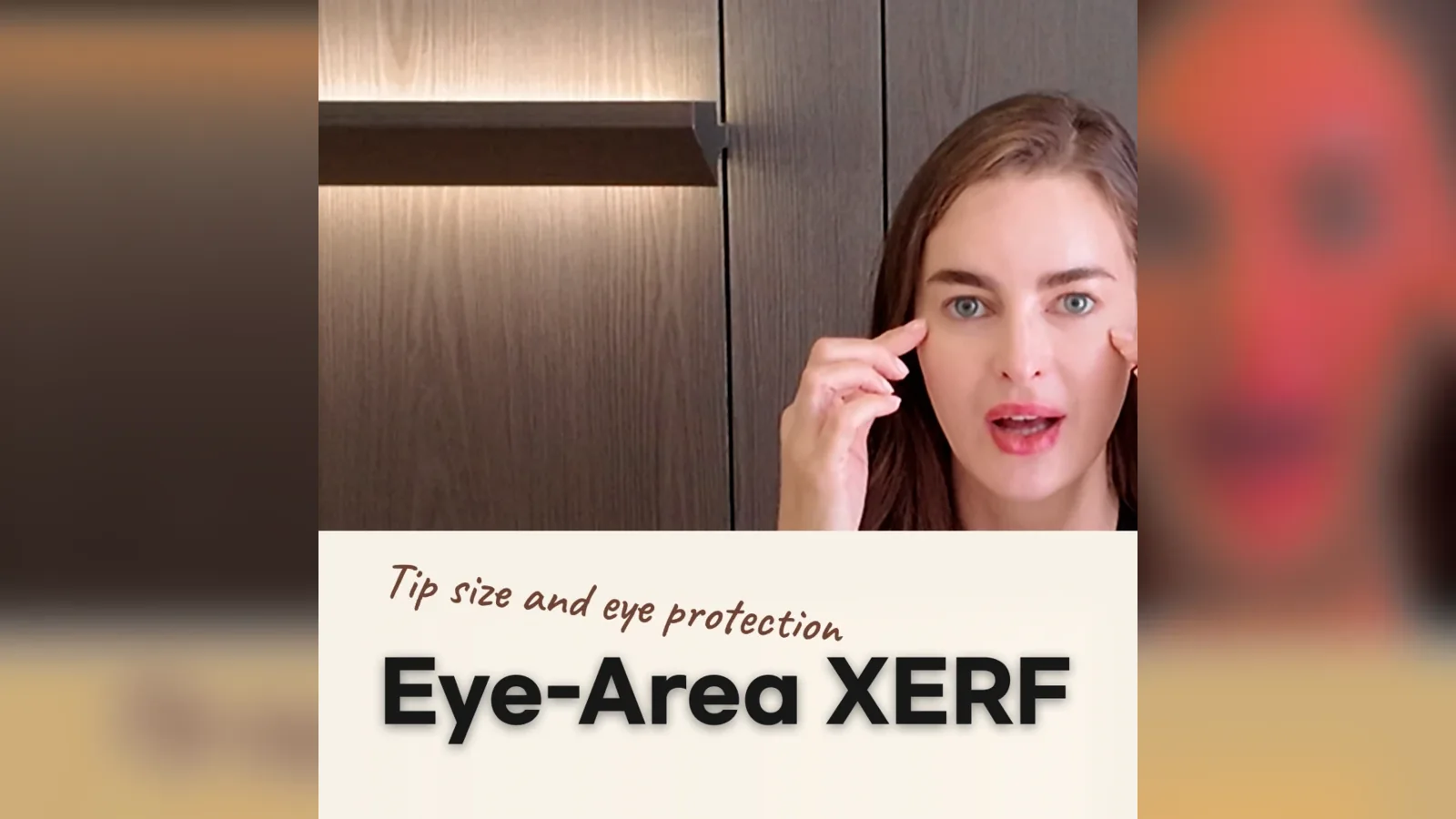
“Will a large face tip work around my eyes?” is a useful question before considering XERF. The curves near the eye are narrower than the cheek, and the contact area of an applicator matters. Eye protection is a separate safety issue: a picture of someone with closed eyes cannot show which precautions were used.
Short answer: XERF offers contact tips of different sizes. The treating clinician should explain the exact zone, suitable tip and planned eye-protection method before treatment. A smaller tip alone does not mean a safer procedure, deeper treatment or a particular visible result.
What is XERF, and why does the eye area need a boundary?
XERF is a monopolar radiofrequency (RF) system. The manufacturer describes selectable depth and intensity options; those are device capabilities, not personal settings or expected outcomes. Beauty Blossom Clinic includes the eye area among the zones it may assess. That does not establish that every eyelid concern or every area immediately beside the eye is suitable for RF.
Point to the part that concerns you: an outer corner, an under-eye region, an area near the brow or a different facial feature. They are not interchangeable targets. The clinician needs to evaluate the surface, nearby structures and treatment boundary rather than apply a general “eye lift” label. Ask what change is being considered and whether another evaluation would better address your concern.
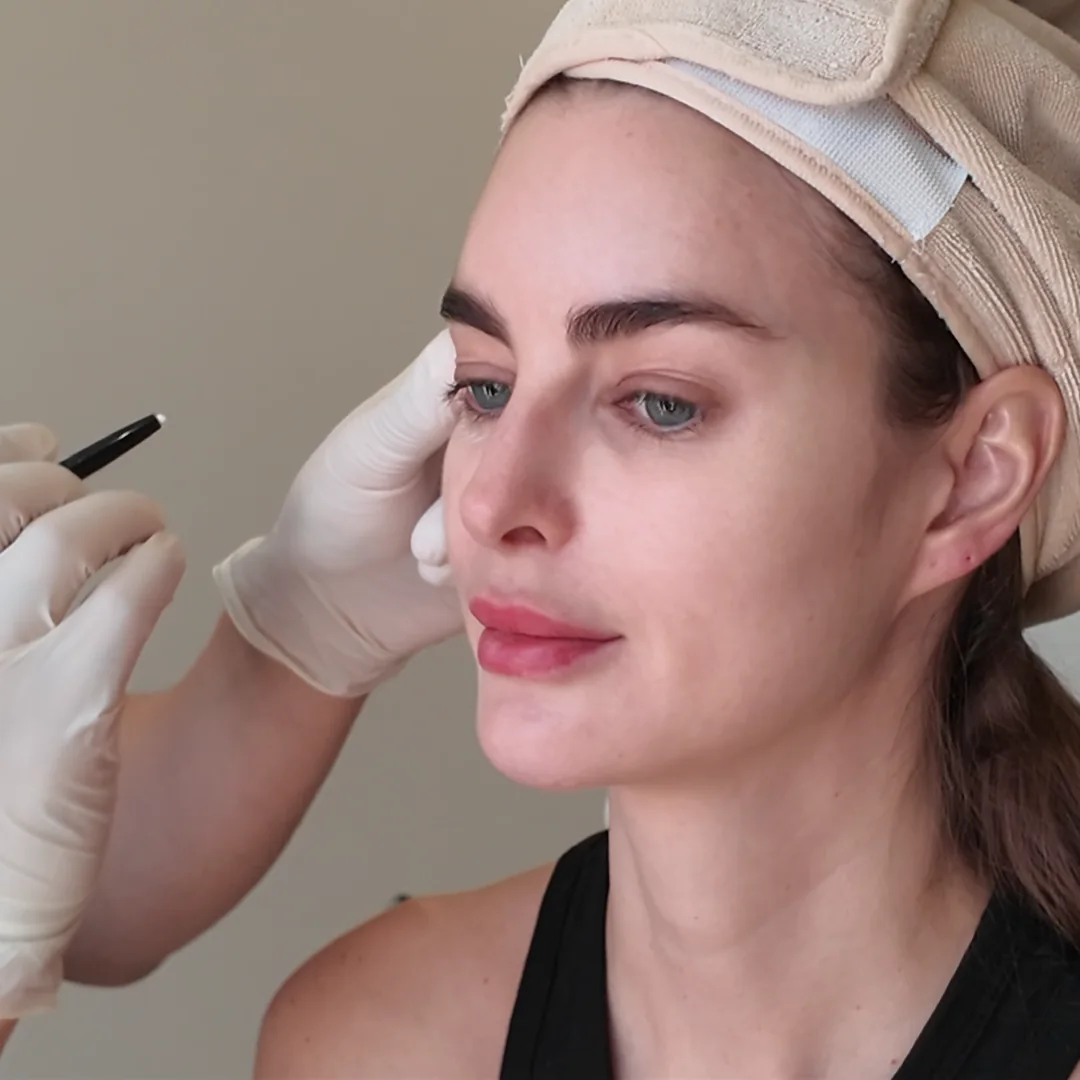
Why does contact-tip size matter?
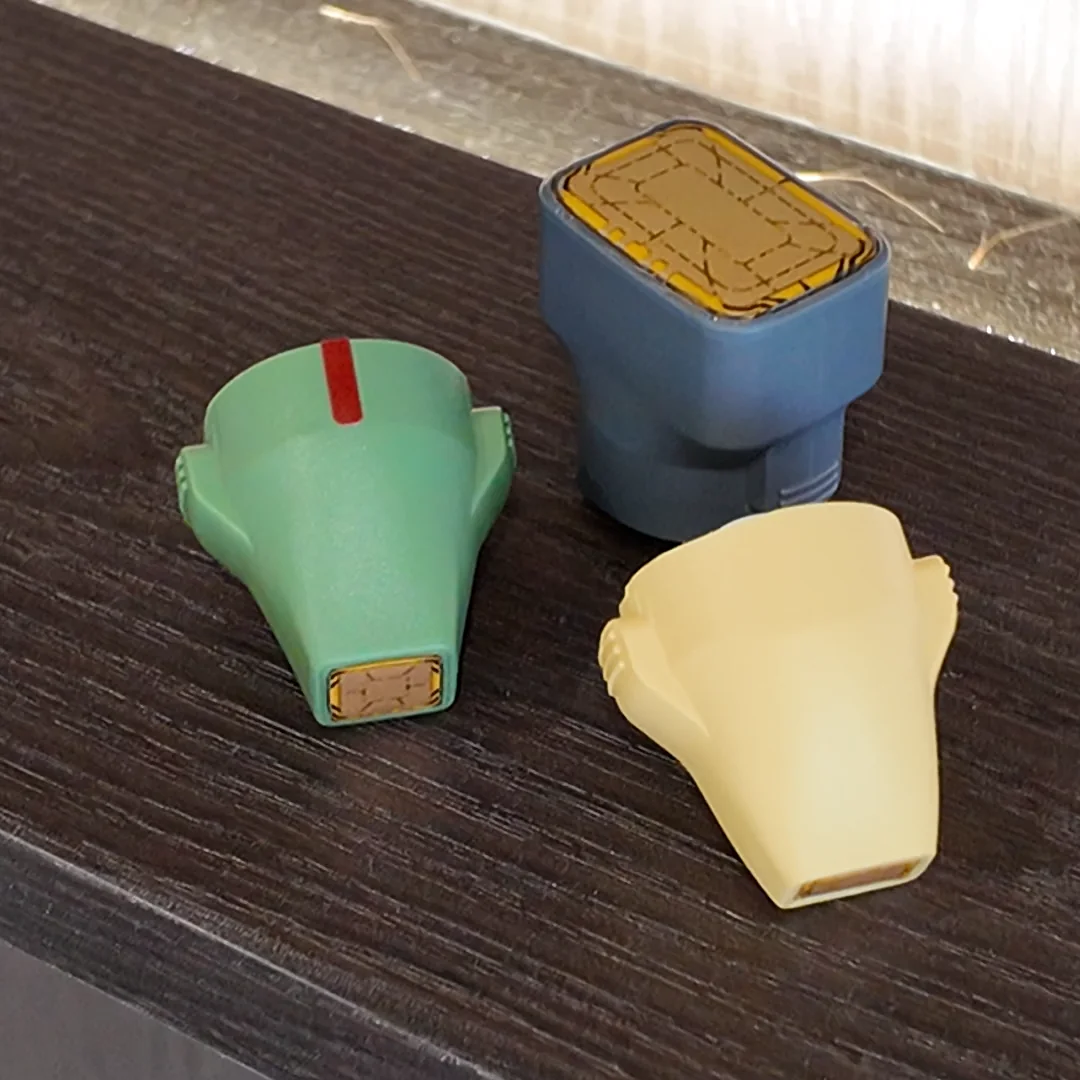
Tip size describes the applicator’s contact footprint. The clinic’s XERF description lists effectors 05, 10, 40 and 60 with progressively different sizes. It associates smaller footprints with narrow or curved areas, including the region around the eye. A broad contact surface and a narrow one do not meet the same facial curve in the same way.
Ask the clinician which effector is proposed for the actual zone and why. Contact footprint, depth mode and intensity are separate choices. A small tip does not tell you the energy settings or prove a treatment can be performed on an eyelid. Do not infer a personal protocol from a device screen or from another visitor’s photograph.
What should I ask about eye protection?
Ask the treating team to identify the precise boundary and the protective measures appropriate under the device protocol. If a proposed zone is close to the eye, clarify what shielding is required, who places it, how it will be checked and what to do if it feels uncomfortable. Closed eyelids and skin-surface cooling are not, by themselves, explanations of ocular protection.
Tell the clinician about previous eye surgery, recent procedures around the eyes, irritation or wounds, pregnancy and implanted electronic medical devices. These details need an individual safety review; listing them here does not mean each is always an absolute contraindication. A still image cannot verify that a protective device remained correctly positioned throughout a session.
Consultation checklist
- Name the exact eye-adjacent area and describe what you notice, rather than asking for a nonspecific lift.
- Ask which zones are included and excluded, and why the chosen contact tip fits the curve.
- Confirm eye shielding and device-protocol precautions for the planned zone before consenting.
- Share relevant eye history, skin condition, previous procedures and implanted devices.
- Ask how comfort will be monitored, which sensations should be reported and how to contact the clinic afterwards.
Aftercare depends on the actual plan. The clinic’s XERF information notes that temporary warmth or redness may occur and discusses moisturizer, sunscreen and limiting sauna, alcohol or strenuous exercise on the treatment day. Confirm the instructions that apply to you; someone else’s session is not a recovery timetable.
Caution: Do not choose upper- or lower-eyelid treatment from a tip chart. Treatment boundaries, protective equipment and device guidance require in-person review. Report unusual heat or symptoms during treatment and contact the treating clinic about any concerning symptoms afterwards.
Frequently asked questions
Does the smallest tip mean the deepest treatment?
No. Footprint, depth mode and intensity are different decisions. Ask what is proposed for your specific area.
Can I request RF directly over any eyelid?
Not on the basis of a blog post. Suitability, the exact zone and ocular protection must be assessed by the treating clinician.
Does cooling replace eye protection?
No. A description of skin-surface cooling does not replace a discussion of eye shielding appropriate to the planned zone.
Visit Beauty Blossom Clinic in Seoul
Beauty Blossom Clinic is at Mediwon Medical Center, 66 Yanghwa-ro, Mapo-gu, Seoul, South Korea (reception: 6F). It is near Hapjeong Station Exit 3. To discuss whether the area and approach are appropriate for you, review the clinic information and request a consultation. You can also use the map and directions. Share your medical history and questions before any treatment decision.
This article provides general information, not an individual diagnosis or treatment plan. Suitability, experience and results vary from person to person; discuss your circumstances, risks and alternatives with the treating clinician.
Location
Beauty Blossom Clinic
Mediwon Medical Center, 66 Yanghwa-ro, Mapo-gu, Seoul, South Korea (reception: 6F)
Individual results may vary.
Back to Blog →