Accutoning: Your Guide to Clearer Skin & Sebum Control
Are you struggling with recurrent acne, excessive sebum, or enlarged pores? If you're looking for a lasting solution that goes beyond temporary fixes,

Are you struggling with recurrent acne, excessive sebum, or enlarged pores? If you're looking for a lasting solution that goes beyond temporary fixes, you might have heard of Accutoning. This advanced laser treatment targets the root cause of these common skin concerns: the sebaceous glands. As someone who's explored various skin treatments, I can tell you that understanding what Accutoning is, how it works, and what to expect is crucial for making an informed decision. Let's dive deep into Accutoning's benefits, procedure, and what makes it a standout option for clearer, healthier skin in 2026.
Understanding Accutoning: What is it and How Does it Work?
Accutoning utilizes a powerful 1450nm laser, a wavelength specifically chosen for its high absorption by water and oil within the skin. This precision allows it to directly target the sebaceous glands, which are responsible for producing sebum. By delivering selective heat to these glands, Accutoning effectively reduces their size and activity. This isn't just about suppressing symptoms; it's about addressing the underlying cause of acne and oily skin.
The laser's action extends beyond sebum control. It also stimulates the dermis layer, promoting collagen synthesis. This dual action helps to tighten pores, improve skin elasticity, and contribute to a brighter, more refined complexion. Unlike some other acne treatments, Accutoning offers a non-ablative approach, meaning it doesn't damage the skin's surface, leading to minimal downtime.
The Science Behind Accutoning: Why 1450nm?
The 1450nm wavelength is key to Accutoning's effectiveness. Here's why:
High Affinity for Water and Oil: This specific wavelength is highly absorbed by both water and lipids (oil) in the skin. This characteristic allows the laser energy to be precisely delivered to the sebaceous glands, which are rich in lipids.
Targeted Heat Delivery: By selectively heating the sebaceous glands, the treatment reduces their overactivity and size, thereby decreasing sebum production. This targeted approach minimizes damage to surrounding tissues.
Collagen Stimulation: The controlled thermal energy also reaches the dermal layer, triggering the natural wound-healing response that leads to new collagen formation. This results in improved skin texture, reduced pore size, and enhanced skin firmness.

Key Benefits of Accutoning: More Than Just Acne Control
Accutoning offers a multifaceted approach to skin health, providing several advantages that set it apart:
1. Direct Sebum Gland Control: The Root Cause Solution
Many treatments address the symptoms of acne, but Accutoning directly targets the sebaceous glands. By shrinking these glands and normalizing their function, it significantly reduces excessive sebum secretion, a primary factor in acne development. This helps to prevent future breakouts rather than just clearing existing ones.
2. Minimally Invasive with Quick Recovery
One of the most appealing aspects of Accutoning is its gentle nature. The treatment is non-invasive, meaning there's no need for incisions or extensive downtime. Patients can typically return to their daily activities immediately after the procedure, making it a convenient option for busy individuals.
3. Enhanced Skin Firmness and Reduced Pores
Beyond its acne-fighting capabilities, Accutoning contributes to overall skin rejuvenation. The collagen stimulation helps to tighten loose skin and reduce the appearance of enlarged pores, leading to a smoother, more refined skin texture. This is a huge bonus for those of us also concerned about signs of aging.

4. Long-Term Results and Reduced Recurrence
By directly addressing the sebaceous glands and normalizing the keratinization process within hair follicles, Accutoning aims for long-lasting results. This reduces the likelihood of acne recurrence, providing a more sustainable solution for problematic skin.
5. Suitable for Various Skin Concerns and Types
Accutoning is a versatile treatment that can benefit a wide range of individuals. It's particularly ideal for those:
Suffering from recurrent acne.
Concerned about excessive sebum production.
Looking for brighter skin through sebum control.
Preferring acne treatment without extractions or oral medication.
Pregnant women who cannot take oral medications.
Adults dealing with persistent acne.

The Accutoning Procedure: What to Expect During Your Session
The Accutoning procedure is generally quick and straightforward. Here's a general overview of what you can expect:
1. Consultation and Skin Analysis
Before any treatment, a thorough consultation with a qualified dermatologist is essential. They will assess your skin condition, discuss your concerns, and determine if Accutoning is the right treatment for you. This is also the time to address any questions you might have about the procedure, expected results, or potential side effects.
2. Preparation
Your skin will be thoroughly cleansed to remove any makeup, oil, or impurities. A cooling gel might be applied to enhance comfort and protect the skin during the laser application.
3. Laser Treatment
The practitioner will then use the Accutoning laser device to deliver targeted energy to the treatment areas. The sensation is often described as a mild, tolerable warmth or a quick rubber band snap. The entire treatment session typically lasts between 10-15 minutes, making it an easy fit into a busy schedule.
4. Post-Treatment Care
After the laser application, a soothing cream or mask may be applied. You will receive specific aftercare instructions, which usually include strict sun protection and gentle skincare practices.

Accutoning Pricing and Recommended Sessions: Making a Reasonable Choice
When considering Accutoning, both the cost per session and the recommended number of treatments are important factors. These can vary significantly depending on the clinic, the severity of your skin condition, and your individual response to the treatment.
Average Pricing for Accutoning
The price of an Accutoning session can range, but generally, you can expect it to be a moderate investment. It's always best to inquire directly with clinics for their specific pricing structures. Many clinics offer package deals for multiple sessions, which can be more cost-effective in the long run.
Recommended Number of Sessions
While some improvement might be noticed after just one session, a series of treatments is typically recommended for optimal and lasting results. Most dermatologists suggest:
Initial Course: 3-5 sessions, spaced 2-4 weeks apart, to effectively target the sebaceous glands and initiate collagen remodeling.
Maintenance: Periodic maintenance sessions (e.g., once every few months or as needed) may be recommended to sustain the results, especially for individuals prone to recurring issues.
The exact number of sessions will be determined during your consultation based on your skin type, concerns, and treatment goals. Open communication with your dermatologist is key to setting realistic expectations and planning a personalized treatment course.
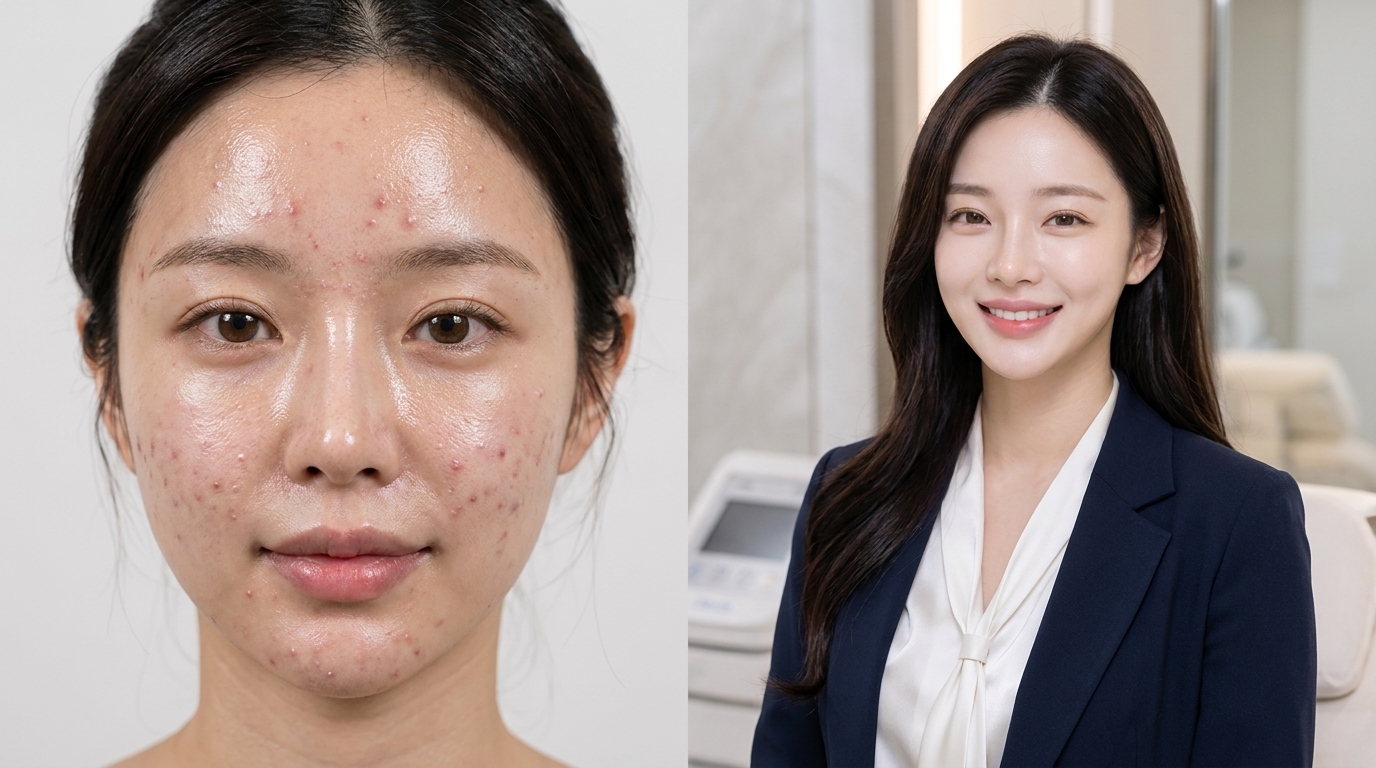
Important Considerations and Aftercare Tips
While Accutoning is generally safe and well-tolerated, it's important to be aware of potential side effects and follow post-treatment care instructions diligently.
Potential Side Effects
Most side effects are mild and temporary:
Redness and Swelling: You might experience slight redness and minimal swelling in the treated areas, which usually subsides within a few hours to a day.
Dryness: Temporary dryness or flakiness can occur as the skin adjusts. Keeping the skin well-hydrated is important.
Mild Discomfort: Some individuals may feel a mild stinging or burning sensation during the treatment, which is usually well-managed with cooling.
Post-Treatment Care Essentials
To ensure optimal results and minimize risks, remember these tips:
Sun Protection: This is paramount! Use a broad-spectrum sunscreen with SPF 30 or higher daily, even on cloudy days. Avoid direct sun exposure, especially during peak hours.
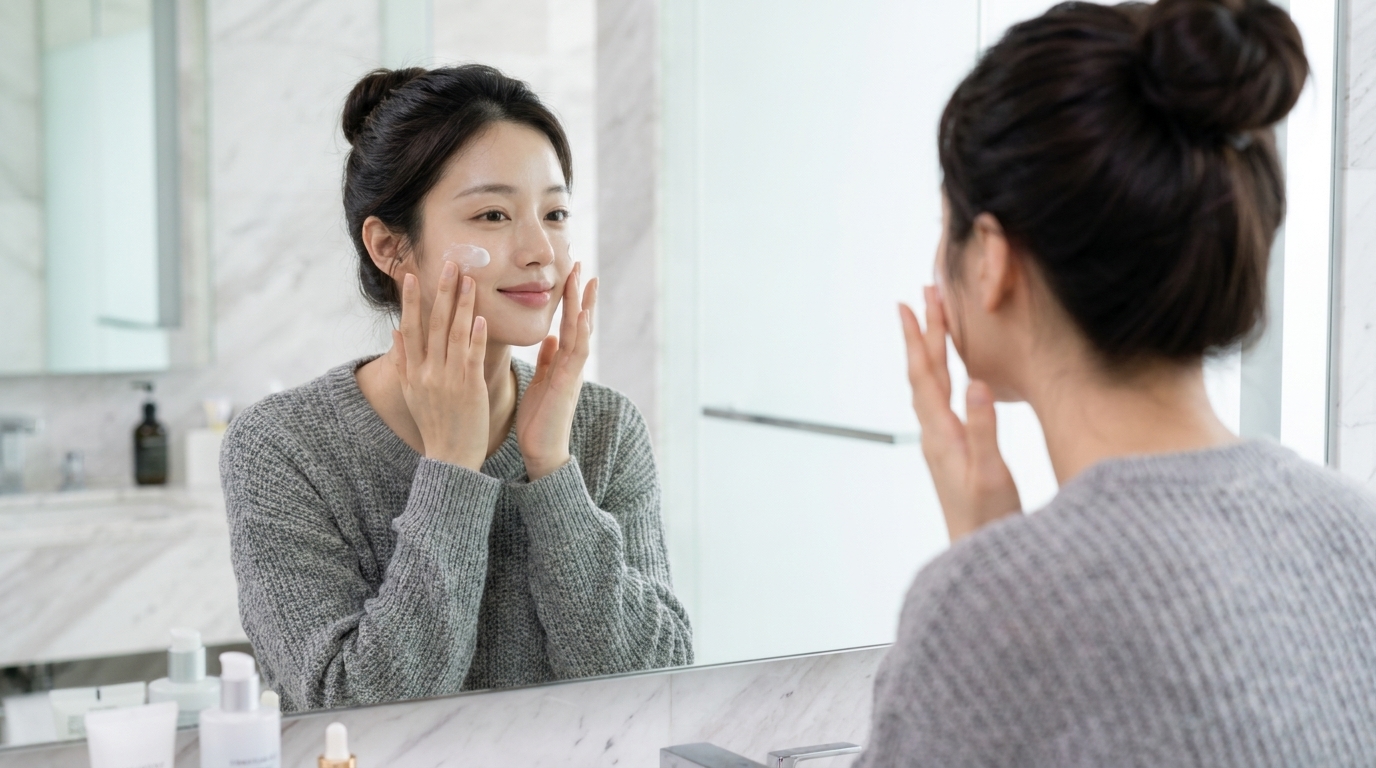
Gentle Skincare: Use mild cleansers and moisturizers. Avoid harsh exfoliants, retinoids, or other strong active ingredients for a few days post-treatment, unless advised otherwise by your doctor.
Hydration: Keep your skin well-hydrated to support its healing process.
Avoid Picking: Resist the urge to pick or scratch your skin, as this can lead to irritation or scarring.
Key Summary
Choosing a skin treatment is a personal journey, and Accutoning presents a compelling option for those seeking effective and lasting solutions for acne, excessive sebum, and enlarged pores. By understanding its mechanism, benefits, and what to expect, you can have a more informed conversation with your dermatologist and embark on a path to clearer, healthier skin. Remember, consistency and proper aftercare are just as important as the treatment itself!
❓ Frequently Asked Questions (FAQ)
Q. What is Accutoning Hongdae?
Accutoning is an advanced laser skin treatment utilizing a 1450nm wavelength laser to target sebaceous glands. It helps control sebum production, improve acne, reduce pore size, and promote collagen synthesis for overall skin rejuvenation. The term "Hongdae" likely refers to clinics offering this treatment in the Hongdae area of Seoul, South Korea.
Q. How long does an Accutoning session last, and how many are recommended?
Each Accutoning session typically lasts 10-15 minutes. For optimal results, a course of 3-5 sessions, spaced 2-4 weeks apart, is generally recommended. Maintenance sessions may be advised periodically to sustain the improvements.
Q. Is Accutoning painful?
Accutoning is generally well-tolerated. Patients usually describe the sensation as a mild warmth or a quick, tolerable snapping feeling. A topical anesthetic cream may be applied before the treatment to enhance comfort, though it's often not necessary.
Q. What precautions should be taken after Accutoning?
After Accutoning, it's crucial to protect your skin from the sun using a broad-spectrum SPF 30+ sunscreen. Use gentle cleansers and moisturizers, and avoid harsh skincare products for a few days. Keeping your skin hydrated and avoiding picking or scratching are also important for optimal healing and results.
Individual results may vary.
Back to Blog →