Retaining Ligament Lift: Which Facial Areas Are Assessed?
A retaining ligament lift consultation considers four connected facial regions, prior treatment and the limits of an individualized injectable plan.
Published by Beauty Blossom
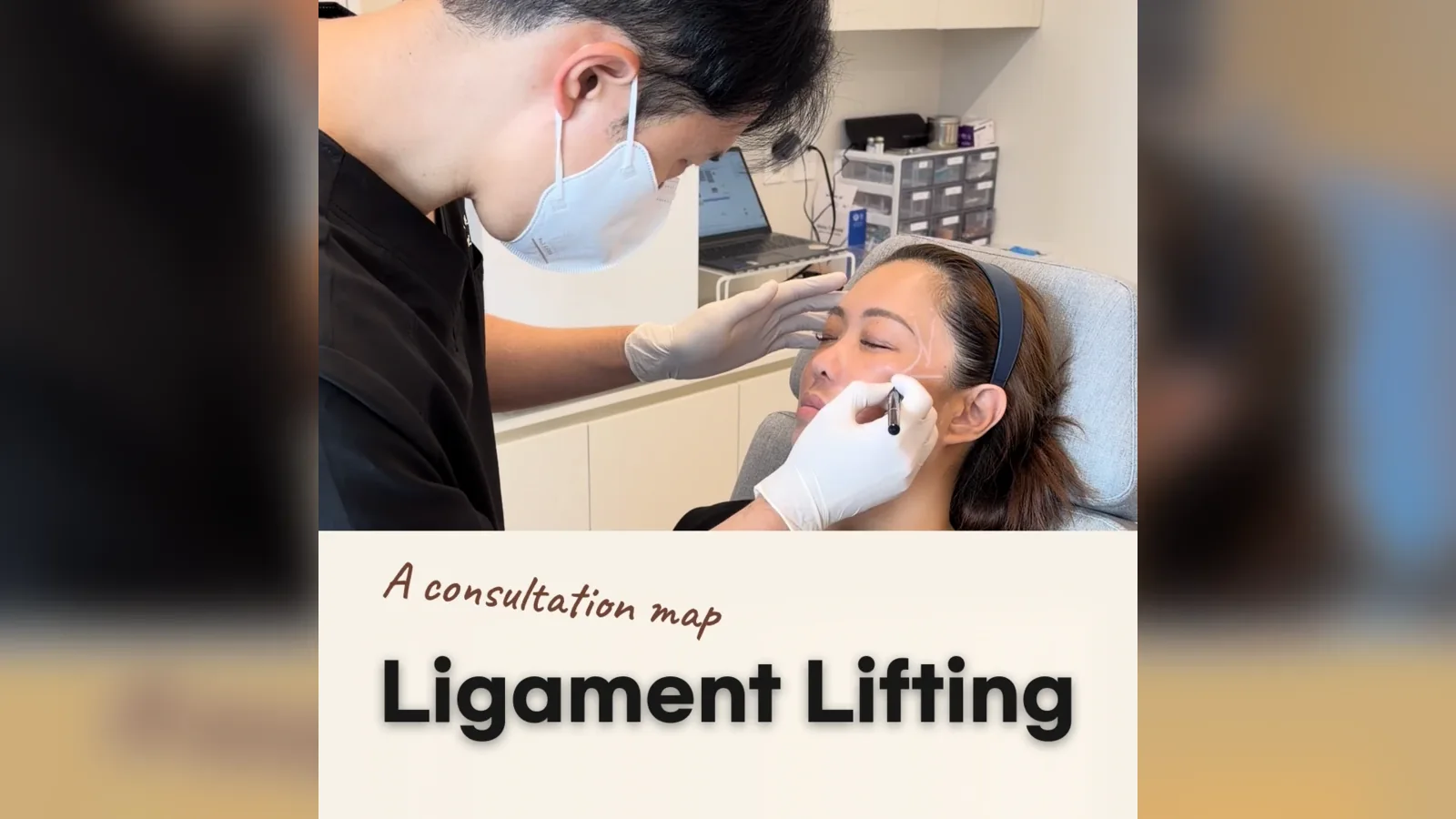
Short answer: A retaining ligament lift consultation considers connected facial areas, not a standard set of injection points. Discuss the under-eye region, front cheek and nasolabial area, side cheek and jawline, and mouth corners in the context of your face. The clinician must decide whether an injectable plan is appropriate and which sites, if any, warrant treatment.
A line or hollow does not reveal its cause on its own. Skin, fat, muscle and deeper supporting structures all influence facial appearance. At Beauty Blossom Clinic in Seoul, the published service is described as an injectable collagen-booster approach focused on areas associated with retaining ligaments. The public page reviewed for the source article did not identify a product by name; confirm the actual substance directly before consenting.
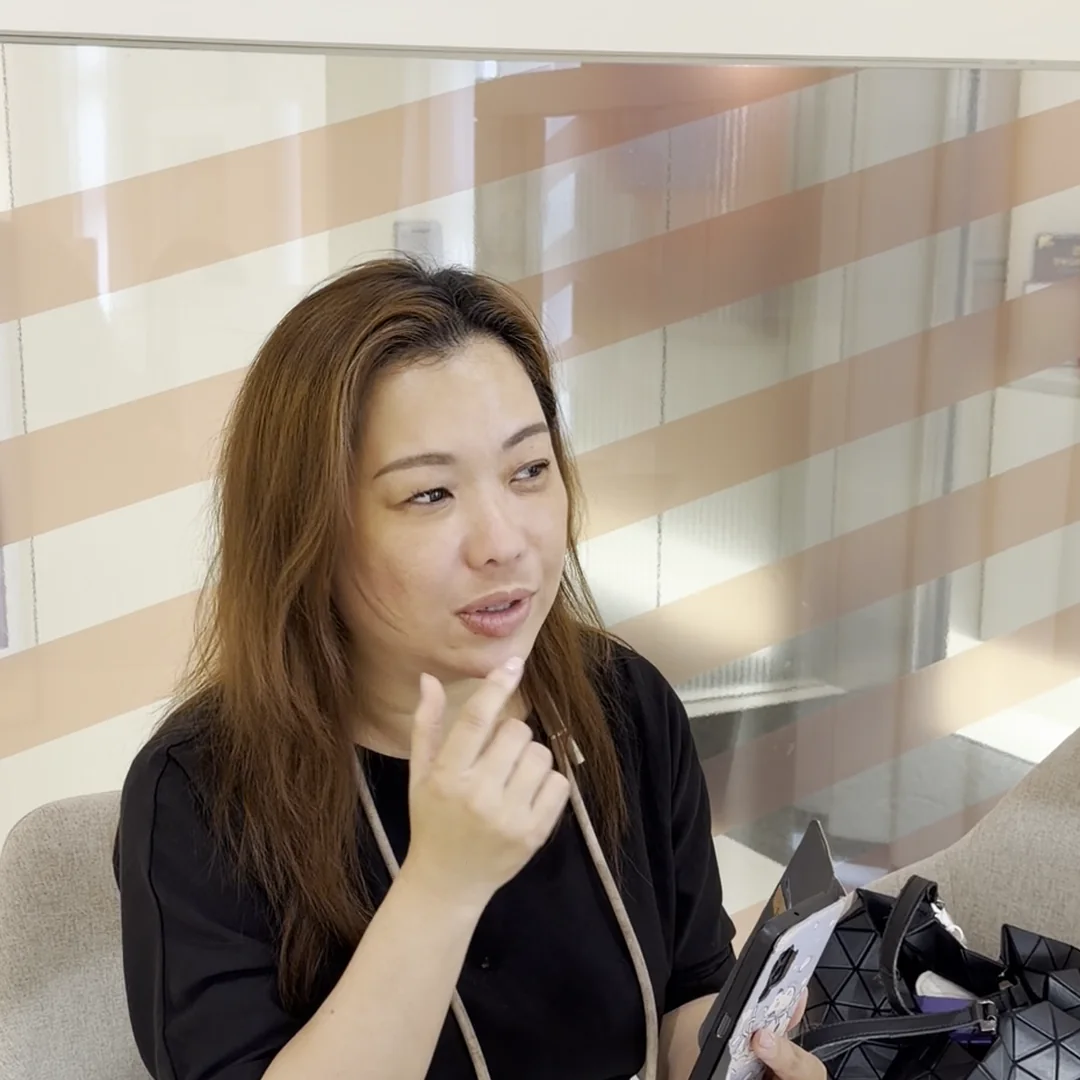
What does the facial assessment look for?
Retaining ligaments are fibrous attachments that help anchor facial soft tissue to deeper structures. Their role does not mean every shadow, fold or soft jawline is caused by a single ligament. A clinician looks at the face as a set of adjacent regions and considers whether volume, descent, skin quality or another feature is contributing to your concern.
Bring a photograph from an earlier period if it helps explain what has changed, but do not treat a picture as a measurement of tissue layers. Observe how the concern looks at rest and in natural expression. Ask the clinician to explain the difference between the feature you see and the area proposed for treatment.
Four connected areas to discuss
Around the eyes: A tear-trough shadow, hollow or fullness beneath the eye may appear together. They are not the same finding. Ask whether the concern is near the lower lid, lateral eye or adjacent cheek and what a proposed injectable approach would realistically address.
Front cheek and nasolabial area: A flatter front cheek and a nearby fold can influence one another visually. The conversation should distinguish a volume concern from a descending contour. Simply asking to fill a visible line may miss the broader facial pattern.
Side cheek and jawline: A hollow side cheek, lower-cheek fullness and a less defined jawline may coexist. Ask which feature matters most to your goal. Substantial skin laxity can limit what one injection-based treatment can accomplish, so a clinician should explain alternatives without assuming they are right for everyone.
Mouth corners: A downward-looking corner or vertical lines should be considered alongside the cheeks and jawline. Such a line is not proof that a particular ligament has failed. These four zones are a map for conversation, not a promise to inject every area.
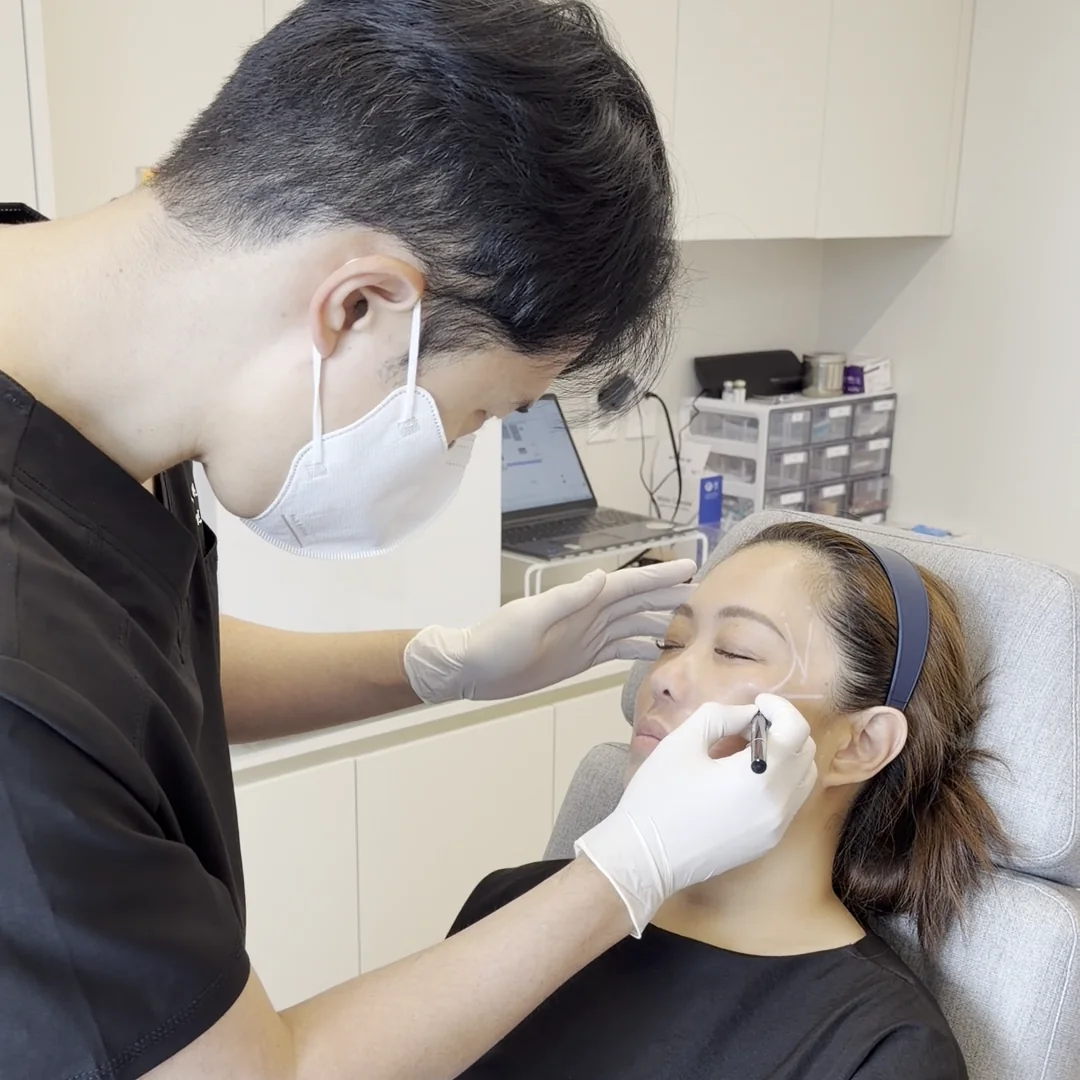
Consultation checklist before an injectable plan
- Identify the area that changed most and show an older photograph only if it helps explain your concern.
- Tell the clinician about previous filler, threads, ultrasound or radiofrequency procedures, with approximate dates and locations.
- List medicines and supplements that may affect bruising or bleeding, relevant inflammation, health conditions, pregnancy or breastfeeding if applicable.
- Ask which substance is proposed, where it would be placed, what benefit is plausible and what limitations remain.
- Discuss consent, follow-up, aftercare, travel or event dates and whom to contact if a symptom develops.
Do not stop prescribed medication without consulting the prescribing clinician. The source article does not identify a branded product, a fixed duration of effect or a universal schedule. The clinic should clarify those particulars for the actual plan rather than treating this overview as a substitute for consent.
Caution and recovery
Caution: Bruising, swelling or bleeding can occur with injections, and recovery differs between people. If pain, heat or swelling worsens, the skin becomes pale or purple, or a firm lump develops, contact the treating clinic promptly. Severe or rapidly worsening symptoms warrant urgent medical assessment. Follow the clinician’s specific advice on washing, makeup, pressure and heat exposure.
Frequently asked questions
Does everyone receive injections in all four areas?
No. These regions organize an assessment. The proposed sites, if any, depend on your facial structure, concern, health history and clinical judgment. A diagram of four areas is not a standardized treatment map.
Is this the same as filler or an energy-based lift?
The clinic describes this service as an injectable collagen-booster approach associated with retaining ligament areas. Conventional filler is generally discussed as adding volume; energy-based and thread approaches use different methods. Ask what substance and method are actually being proposed for you.
How long does it last?
The reviewed service information did not establish a reliable duration for this specific treatment. Ask the clinician about the proposed product, expected range of response and follow-up, without assuming a fixed result.
Visit Beauty Blossom Clinic
Beauty Blossom Clinic is at Mediwon Medical Center, 66 Yanghwa-ro, Mapo-gu, Seoul, South Korea. Reception is on the 6th floor. The clinic is near Hapjeong Station Exit 3. For an individual assessment, contact the clinic or request a consultation. View the location map.
Individual-results disclaimer: This article is general information, not a diagnosis or a promise of treatment suitability or results. Response, recovery and risks differ by person; a clinician must assess your circumstances before recommending a plan.
Location
Beauty Blossom Clinic
Mediwon Medical Center, 66 Yanghwa-ro, Mapo-gu, Seoul, South Korea (reception: 6F)
Individual results may vary.
Back to Blog →