Say Goodbye to Sedation Anxiety: Everything About Non-Sleep Gas Anesthesia in 2026
Are you feeling anxious about traditional sleep anesthesia for your next procedure? You're not alone! Many people experience fear and discomfort when

Are you feeling anxious about traditional sleep anesthesia for your next procedure? You're not alone! Many people experience fear and discomfort when thinking about being "put under." But what if there was an option that offered pain relief and relaxation without full unconsciousness? Today, we're diving deep into 'Non-sleep Gas Anesthesia' – a revolutionary approach that's gaining traction, especially in clinics like Beauty Blossom. Let's explore what you need to know before choosing this method in 2026.
Understanding Non-Sleep Gas Anesthesia (N₂O): A Gentle Approach
Non-sleep gas anesthesia, often referred to as 'laughing gas' or N₂O (Nitrous Oxide), is a medical innovation designed to reduce pain, anxiety, and discomfort during various treatments. Unlike general anesthesia, which renders you completely unconscious, N₂O allows you to remain conscious and responsive. It's about achieving a state of deep relaxation and pain relief, ensuring a more comfortable experience without the full sedation.
How Does Non-Sleep Gas Anesthesia Work?
Imagine a treatment where you're fully aware but feel a pleasant calm wash over you, dulling any discomfort. That's the magic of N₂O. Administered through a mask you simply breathe into, the gas quickly takes effect, helping to:
Reduce pain sensation
Minimize anxiety and fear
Induce a state of relaxation
Allow you to communicate with the medical team throughout the procedure
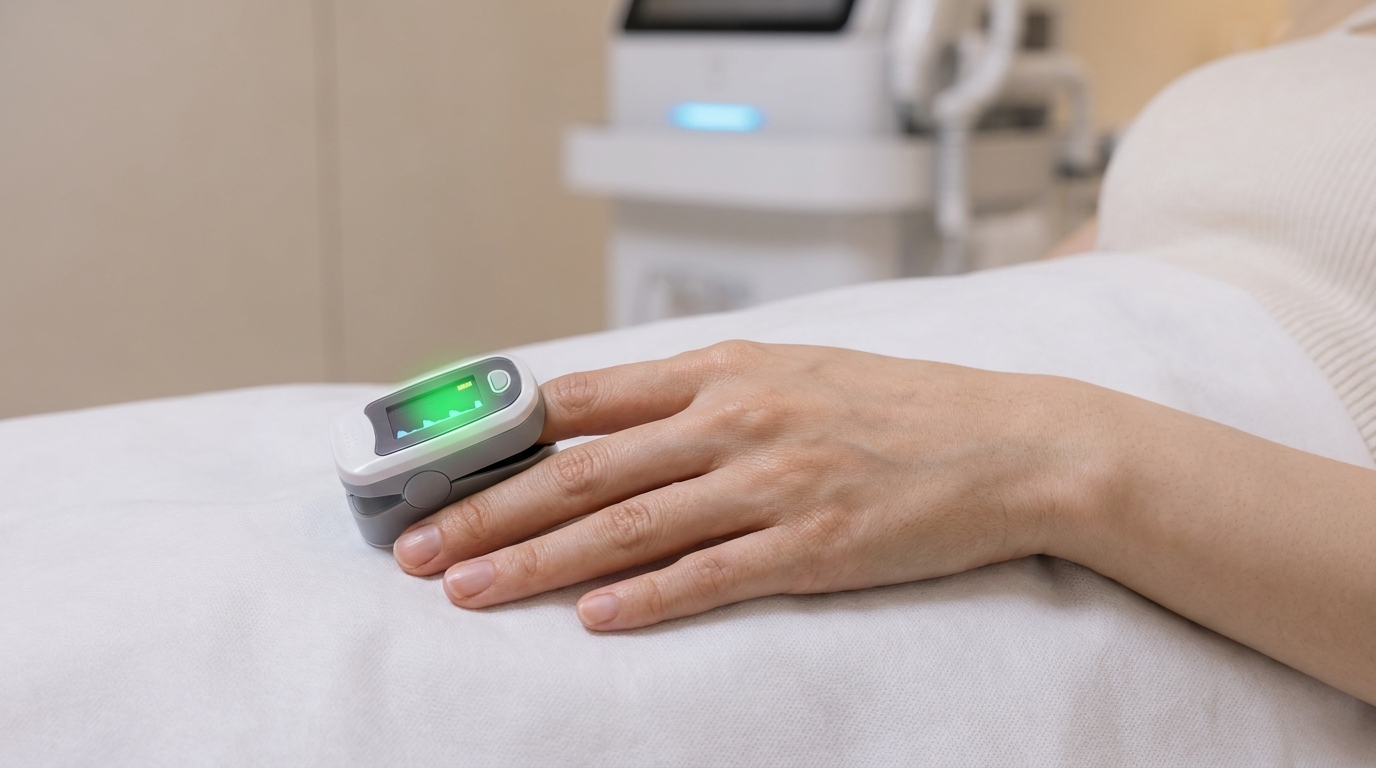
The beauty of this method lies in its precise, automated control. Systems like the safe N₂O-based Matrix device developed for clinics ensure accurate dosage, providing a worry-free experience from start to finish. This precision helps maintain an oxygen saturation of 99%, prioritizing your safety and comfort.

Key Advantages: Why Consider Non-Sleep Gas Anesthesia?
Many patients are seeking alternatives to traditional anesthesia, and non-sleep gas anesthesia offers compelling benefits:
No Hospital Stay Required: This is a major plus! You can typically return to your daily life almost immediately after the procedure.
Quick Recovery: Unlike the prolonged recovery from general anesthesia, N₂O's effects wear off within 1-3 minutes. You can even drive yourself home!
No Injections: The gas is inhaled, eliminating the need for anesthetic injections.
Safety-Certified: Devices used for N₂O administration, especially those with global certifications, are designed to be safe and non-harmful to the body. For instance, many premium inhaled gas devices are rigorously certified by the US FDA and Korean KFDA, ensuring global safety standards.
Maintains Awareness: You remain partially conscious, which can be reassuring for those who fear losing control or consciousness. You can still cooperate and communicate with your medical team.

Non-Sleep Gas Anesthesia vs. Traditional Sleep Anesthesia: A Clear Comparison
It's important to understand the distinctions to make an informed decision:
Key Differences at a Glance:
Safety: Non-sleep gas anesthesia is generally considered very safe, with minimal risks. Traditional sleep anesthesia, while safe in controlled environments, carries more inherent risks.
Consciousness Level: With N₂O, you are partially conscious and responsive. With traditional sleep anesthesia, you are mostly or fully unconscious.
Movement During Treatment: Patients under N₂O can generally remain still, while under deeper sedation, involuntary movements can sometimes occur.
Recovery Time: N₂O offers a rapid recovery of 1-3 minutes. Traditional anesthesia can require 20-30 minutes or more for full recovery.
Side Effects: Non-sleep gas anesthesia has almost no side effects when administered correctly. Traditional anesthesia can have various side effects requiring careful monitoring.
Oxygen Saturation: N₂O helps maintain stable oxygen saturation at 99%, which can be more challenging with traditional methods.

Who is Non-Sleep Gas Anesthesia Suitable For?
If you identify with any of the following, non-sleep gas anesthesia might be an excellent option for you:
Those who are afraid of traditional anesthesia.
Individuals who fear pain during treatment.
Patients undergoing short, simple procedures.
Anyone seeking a quick recovery to resume daily activities immediately.
People who wish to communicate with their medical team while conscious.
Those with sensitive skin or a low pain tolerance.
It’s truly a game-changer for enhancing patient comfort and reducing treatment-related stress.
Things to Consider Before Choosing Non-Sleep Gas Anesthesia
While this method offers many benefits, it's always wise to be fully informed:
Clinic's Expertise: Ensure the clinic and medical team are highly experienced in administering N₂O and have a strong safety protocol.
Equipment Certification: Check that the equipment used is globally certified (e.g., US FDA, KFDA). This indicates adherence to stringent safety standards.
Individual Assessment: A thorough consultation is essential to determine if N₂O is suitable for your specific health condition and the type of procedure you're undergoing.
Potential Mild Side Effects: Though rare, some individuals might experience mild dizziness or nausea, which typically subsides quickly. Always inform your doctor if you have any pre-existing conditions.
Remember, the goal is a comfortable and safe treatment experience. Don't hesitate to ask your doctor any questions you have during your consultation.

Key Takeaways: Your Non-Sleep Gas Anesthesia Checklist
Safety First: Confirm the clinic uses globally certified equipment and follows strict safety protocols.
Quick Recovery: Enjoy minimal downtime and return to daily activities almost immediately.
Conscious Comfort: Experience pain relief and relaxation while remaining aware and communicative.
Personalized Care: A detailed consultation is crucial to ensure this method is right for you.

❓ Frequently Asked Questions (FAQ)
Q. What is 'Laughing Gas' (N₂O) in the context of procedures?
A. 'Laughing gas,' or Nitrous Oxide (N₂O), is a mild sedative gas inhaled through a mask during medical or dental procedures. It helps reduce pain and anxiety, making the patient feel relaxed and comfortable without losing full consciousness. It's often used for short, minimally invasive treatments.
Q. How does non-sleep gas anesthesia differ from general anesthesia?
A. The primary difference is the level of consciousness. Non-sleep gas anesthesia allows you to remain awake and responsive, simply feeling relaxed and less sensitive to pain. General anesthesia, on the other hand, renders you completely unconscious, requiring more extensive monitoring and a longer recovery period.
Q. How long do the effects of non-sleep gas anesthesia last?
A. The effects of N₂O are very rapid, both in onset and dissipation. You'll typically feel the effects within minutes of inhalation, and they wear off completely within 1-3 minutes after the gas supply is stopped. This means you can often drive and resume normal activities very quickly.
Q. Are there any specific precautions after non-sleep gas anesthesia?
A. Generally, there are minimal precautions. Because the gas leaves your system so quickly, most people can resume their normal activities, including driving, immediately. However, it's always best to listen to your body and follow any specific advice given by your medical professional. If you feel unusually drowsy, it's safer to have someone else drive you home.
Individual results may vary.
Back to Blog →